Drying & process
Can You Stay in Your House During Water Damage Restoration?
Updated · Copperline editorial
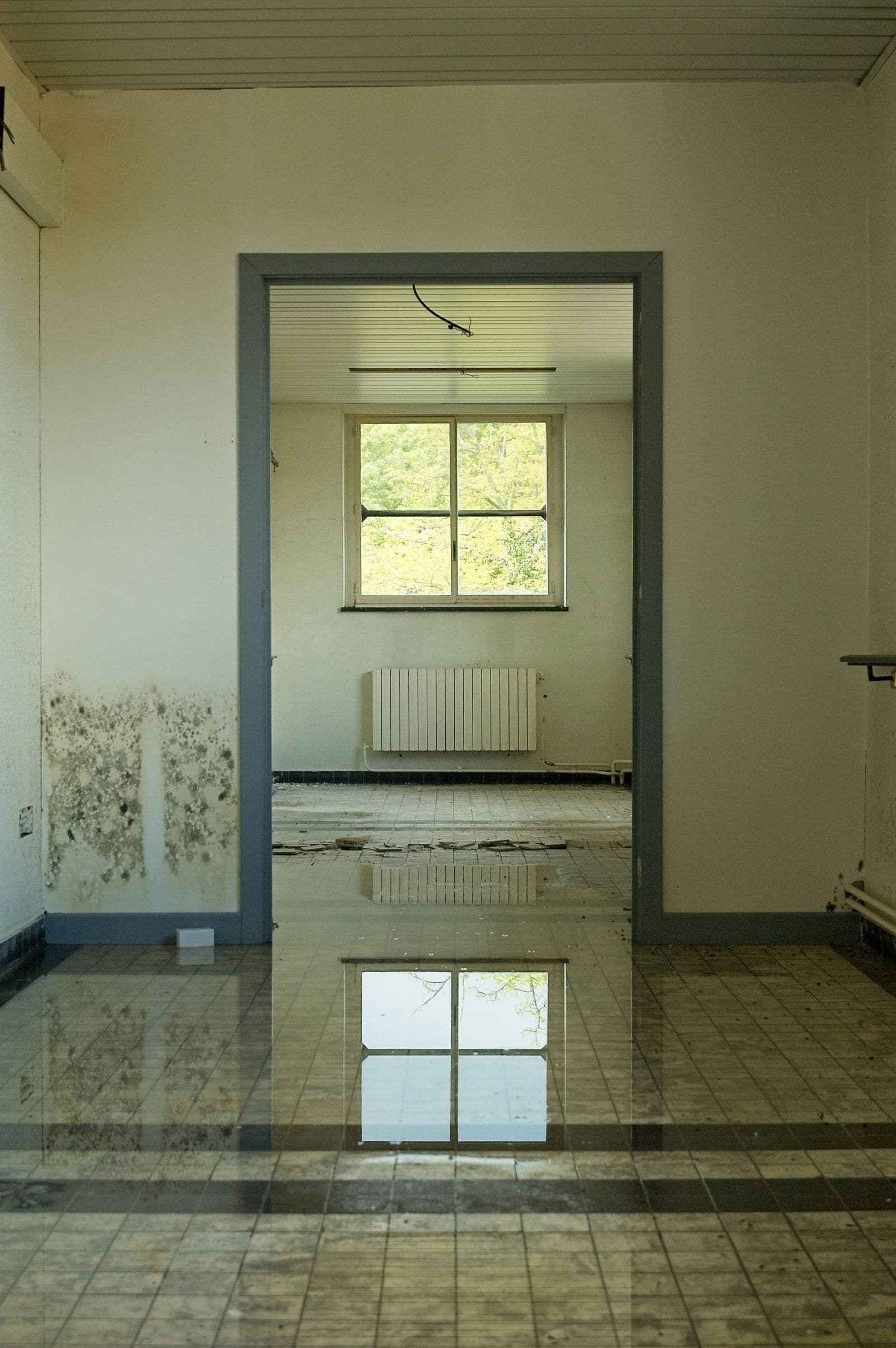
What living with drying is like
Air movers and dehumidifiers run 24/7 for several days. Expect noise, warm rooms and higher power use; equipment should not be turned off.
When to stay elsewhere
- Sewage backup or floodwater inside
- Containment areas and demolition in main living spaces
- No working bathroom or kitchen
- Vulnerable household members
Additional living expenses
Many policies include 'loss of use' coverage for hotel and meal costs when the home isn't livable. Keep receipts and ask your adjuster before booking.
Additional living expenses
If the home isn't livable during repairs, many homeowners policies include additional living expense (loss of use) coverage for hotel or rental costs. Keep receipts and confirm limits with your adjuster.
Questions to ask before deciding
Drying equipment runs day and night, so noise and warm, dry air are normal. Most families stay when the loss is limited to one or two rooms of clean water, the kitchen and a bathroom still work, and the affected area can be closed off. Relocation makes more sense when sewage or floodwater is involved, when a large part of the home is under containment, or when utilities are off.
Can You Stay in Your House During Water Damage Restoration?: follow-up questions
Is drying equipment loud?
Yes. Air movers and dehumidifiers run around the clock and are noisy, which is manageable for some households and not for others.
Is it safe to stay during sewage cleanup?
Generally not in affected areas. Contaminated areas are contained, and vulnerable people should stay elsewhere.
Is the affected water clean or contaminated?
Clean-water losses are usually livable with the area closed off; sewage or floodwater (Category 3) usually isn't.
Does anyone in the home have asthma or a weakened immune system?
If so, consider staying elsewhere until drying and any mold work are done.
Every home differs; editorial standards.