Water damage
Moisture mapping and water damage inspection
A water damage inspection uses moisture meters and thermal imaging to map exactly where water traveled inside walls, floors and ceilings, so only affected materials are removed and nothing wet is left behind. It's also the documentation insurers look for.
- Typical time
- Usually 1–3 hours on site.
- Repair or replace
- Mapping limits removal to materials that are actually wet.
Water doesn't stay where it lands. It wicks up drywall, runs along the top of the slab under tile and flooring, and follows framing into the next room. A moisture map marks the edges of the wet area on a floor plan.
An inspection is worth it after any leak that reached walls or flooring, when buying a home with past water damage, or when you suspect an old leak was never properly dried.
Moisture Mapping & Water Damage Inspection at a glance
- What it is
- A water damage inspection uses moisture meters and thermal imaging to map exactly where water traveled inside walls, floors and ceilings, so only affected materials are removed and nothing wet is left behind.
- Service category
- Water damage
Signs you need hidden moisture help
- Stains or bubbling paint with no obvious source
- A past leak that was only dried with fans
- Musty smell in one area
- Buying a home with a disclosed water event
- Insurance adjuster asks for documentation
Quick answers
Moisture Mapping & Water Damage Inspection: the short version
How long moisture mapping & water damage inspection takes
Usually 1–3 hours on site.
When hidden moisture can wait, and when it can't
Soon after any leak that reached walls or floors, or before buying a home with past water damage.
Fix or replace hidden moisture?
Mapping limits removal to materials that are actually wet.
The visit
How moisture mapping & water damage inspection is done
- 1
Visual and source check
Identify the likely source and the water category.
- 2
Moisture readings
Pin and pinless meters measure moisture in drywall, wood and subfloor.
- 3
Thermal imaging
Infrared cameras show temperature patterns that suggest moisture behind surfaces.
- 4
Map and report
Wet areas are marked and photographed; findings guide what is removed or dried in place.
What moves the price of moisture mapping & water damage inspection
- Size of the home and affected area
- Written report for insurance or a home sale
- Access to crawl spaces or attics
- Whether drying services follow
Moisture Mapping & Water Damage Inspection: common questions
Can thermal cameras see water inside walls?
They show temperature differences, which often indicate moisture, but they don't measure water directly. Moisture meters confirm what the thermal image suggests.
Should I get an inspection for an old leak?
If the area was never measured dry, yes. Moisture can stay trapped for a long time and eventually lead to mold or rot.
Service area
Moisture Mapping & Water Damage Inspection in Tucson & Pinal County
Related
Services often paired with moisture mapping & water damage inspection
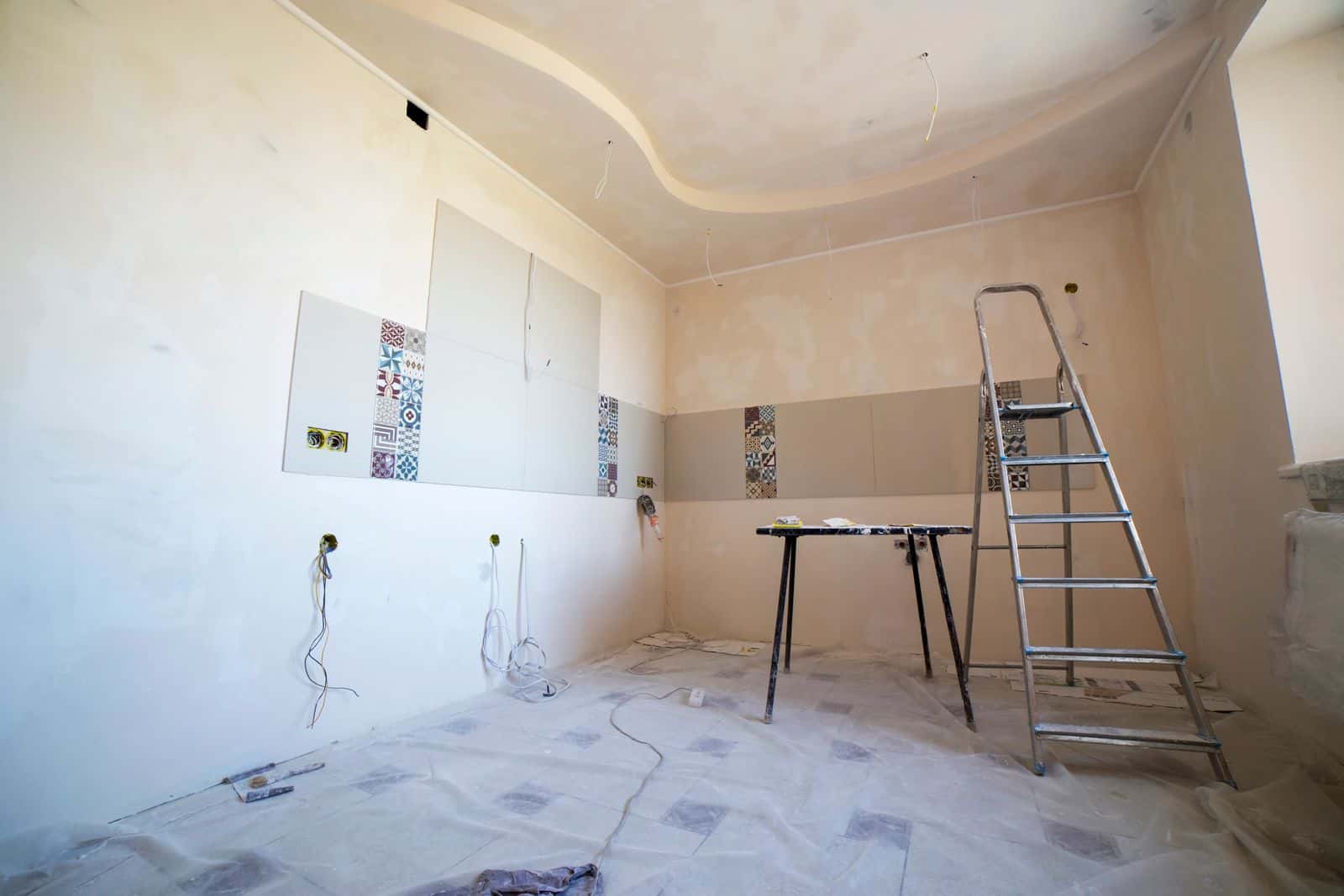
Structural Drying & Dehumidification
Structural drying removes moisture from framing, drywall, subfloor and concrete after water is extracted, using air movers to move moisture off surfaces and dehumidifiers to pull it out of the air.
Learn more
Slab Leak Water Damage
A slab leak is a leak in a water line under or inside a home's concrete slab.
Learn more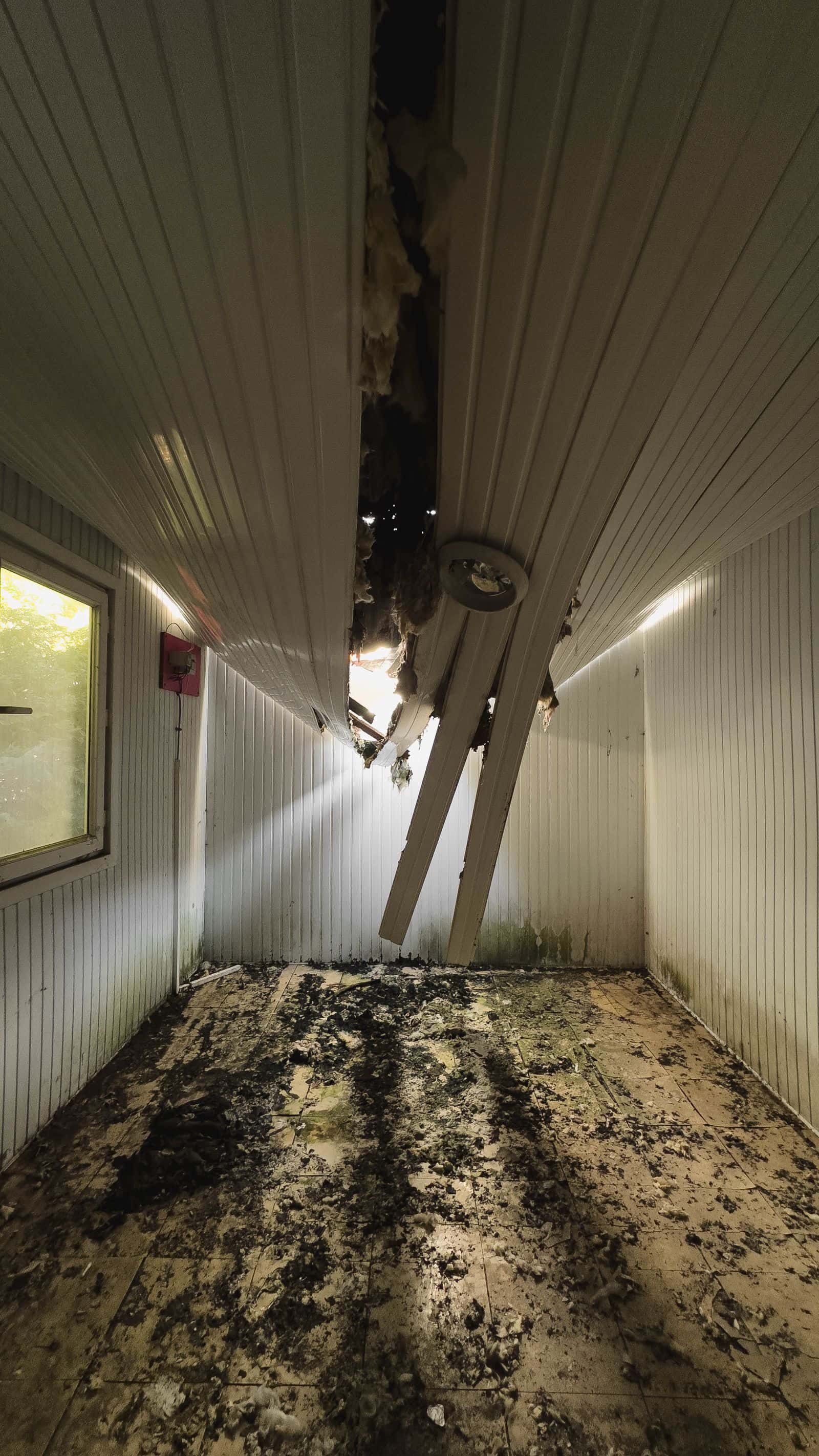
Ceiling Water Damage
Ceiling water damage comes from above: a roof leak, a pipe or fixture on an upper floor, an AC condensate line, or a water heater in the attic.
Learn more
Get help with hidden moisture
Soon after any leak that reached walls or floors, or before buying a home with past water damage.