Water & fire damage · Tucson & Pinal County, AZ
Water damage in your home? Get a local restoration company on it fast.
Licensed, insured local pros · Free, no-obligation estimate
Burst pipes, slab leaks, monsoon roof leaks, flooded rooms and fire damage across Tucson, Oro Valley, Marana, the Foothills and south to Green Valley. Call or tell us what happened, and a licensed local restoration pro who serves your ZIP gets on it — usually the same day.
- Free to you
- Independent local companies
- Insurance-ready documentation
Water in the house? Do this in the first hour.
- Step 1
Stop the water
Close the main shutoff valve — usually where the water line enters the house, or in the meter box.
- Step 2
Cut power to wet areas
Switch off breakers for rooms with standing water. Don't walk through water to reach the panel.
- Step 3
Photograph everything
Photos and video of the source and every wet room, before anything is moved or thrown out.
- Step 4
Start drying within hours
Wet drywall, carpet pad and wood begin breaking down in 24–48 hours. Extraction and drying are what save them.
Step-by-step: what to do after a pipe bursts · what to document for insurance
Water damage restoration
Help for every way water gets in
Extraction, structural drying and repairs — whatever the source. Pick the one that matches what happened.
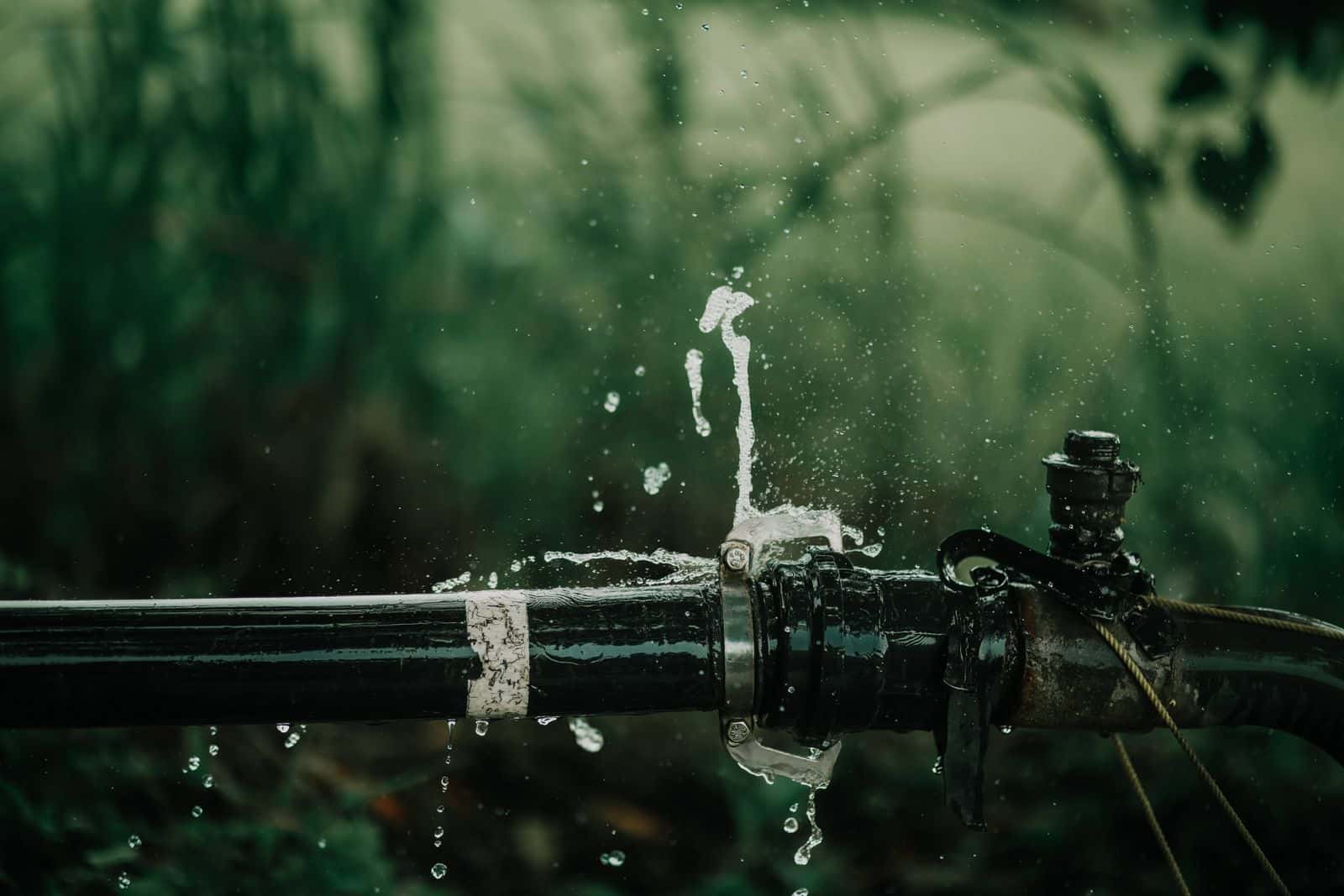
Burst Pipe Water Damage
When a pipe bursts, shut off the main water valve first, then turn off power to any wet area.
Learn more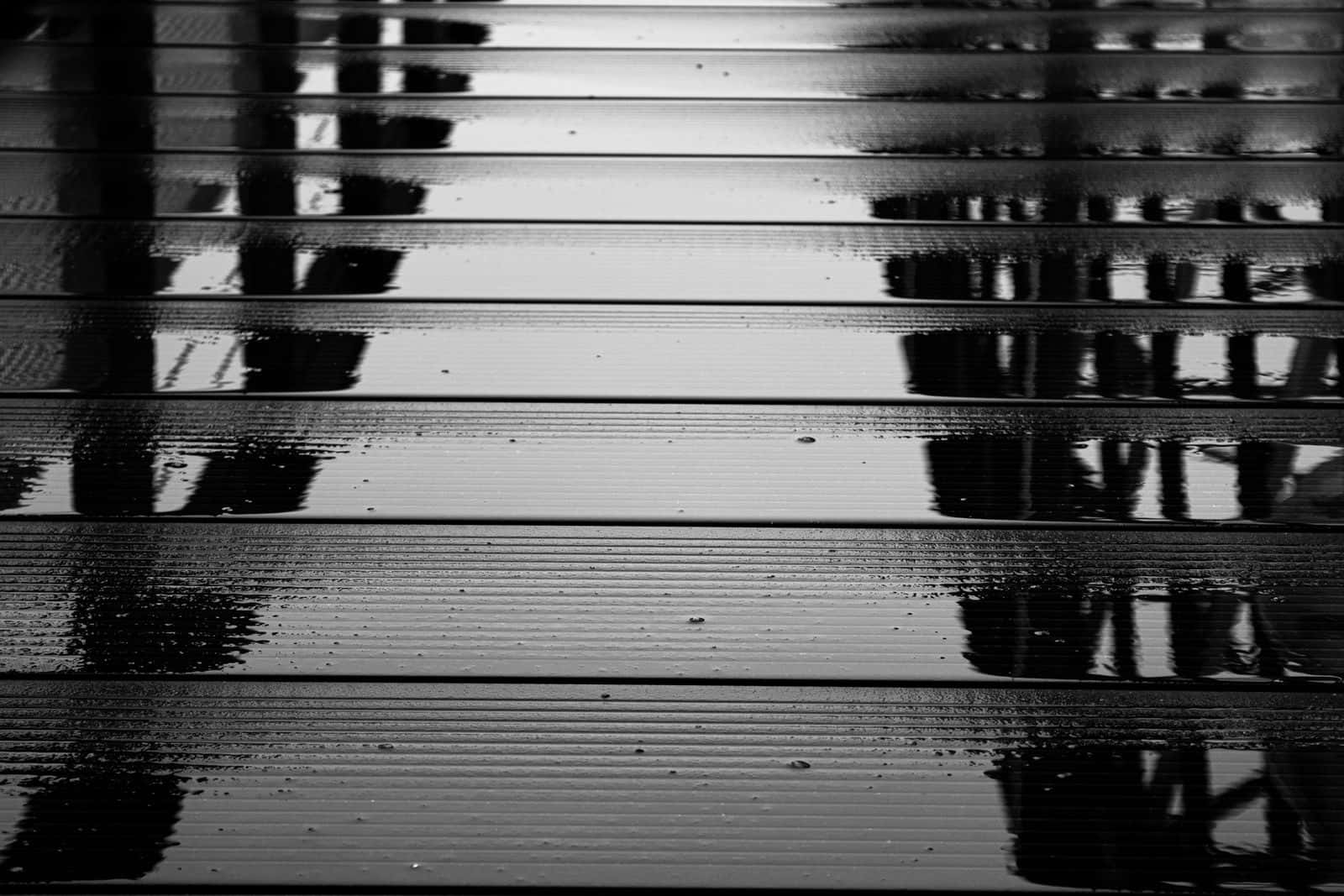
Slab Leak Water Damage
A slab leak is a leak in a water line under or inside a home's concrete slab.
Learn more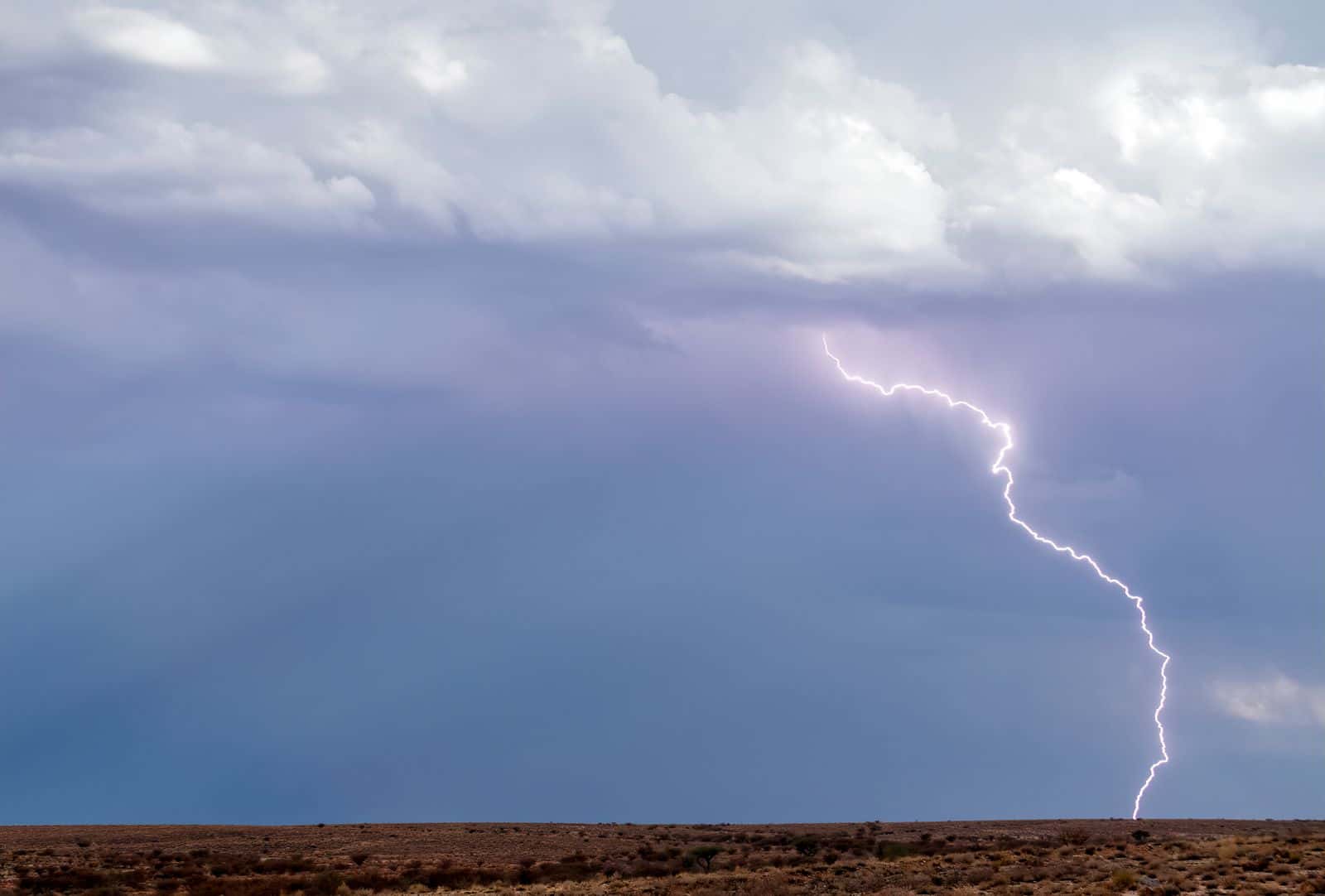
Monsoon & Roof Leak Water Damage
Monsoon storms can drop an inch of rain in minutes, overwhelming flat roofs, parapet walls and scuppers.
Learn more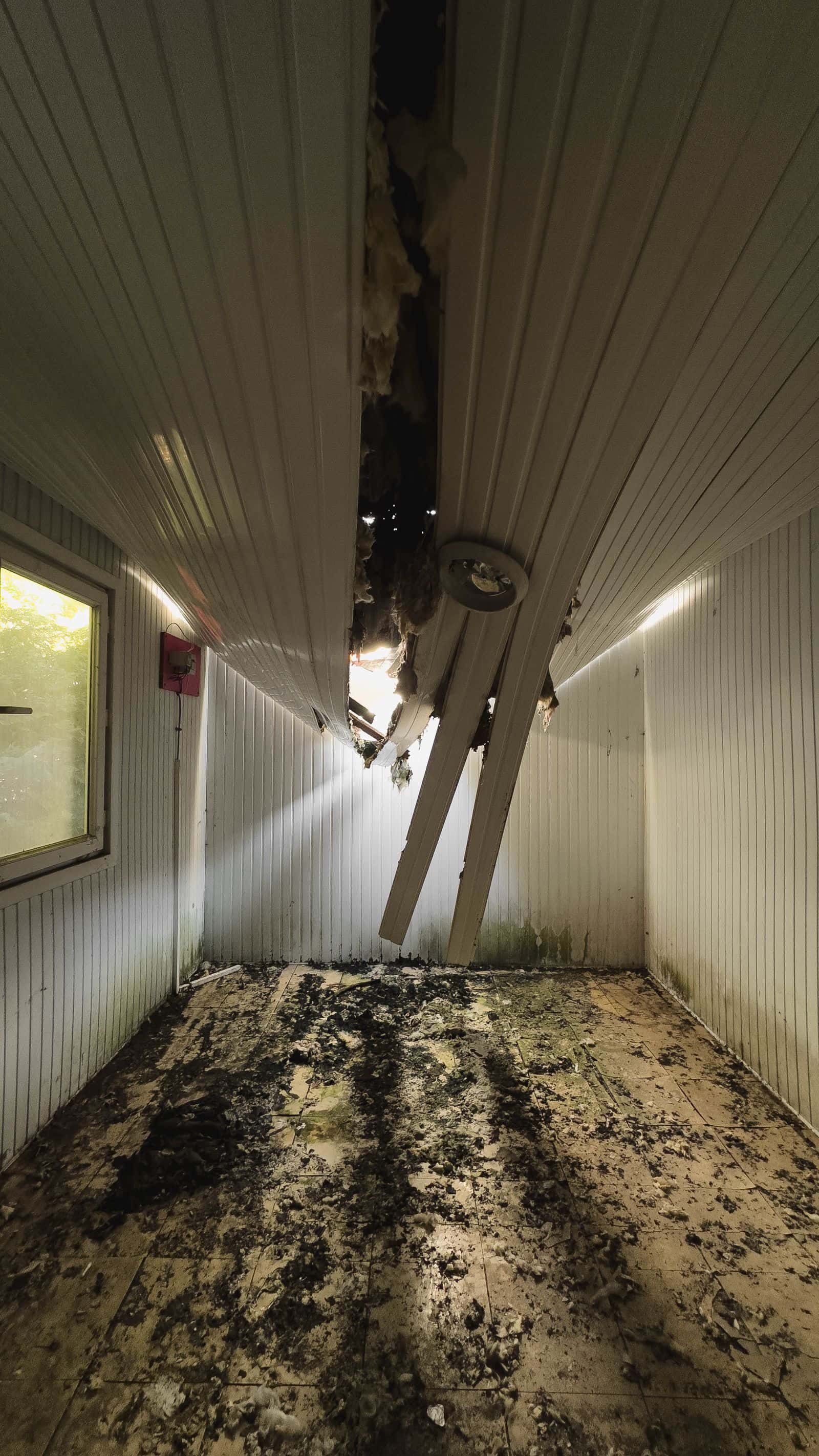
Ceiling Water Damage
Ceiling water damage comes from above: a roof leak, a pipe or fixture on an upper floor, an AC condensate line, or a water heater in the attic.
Learn more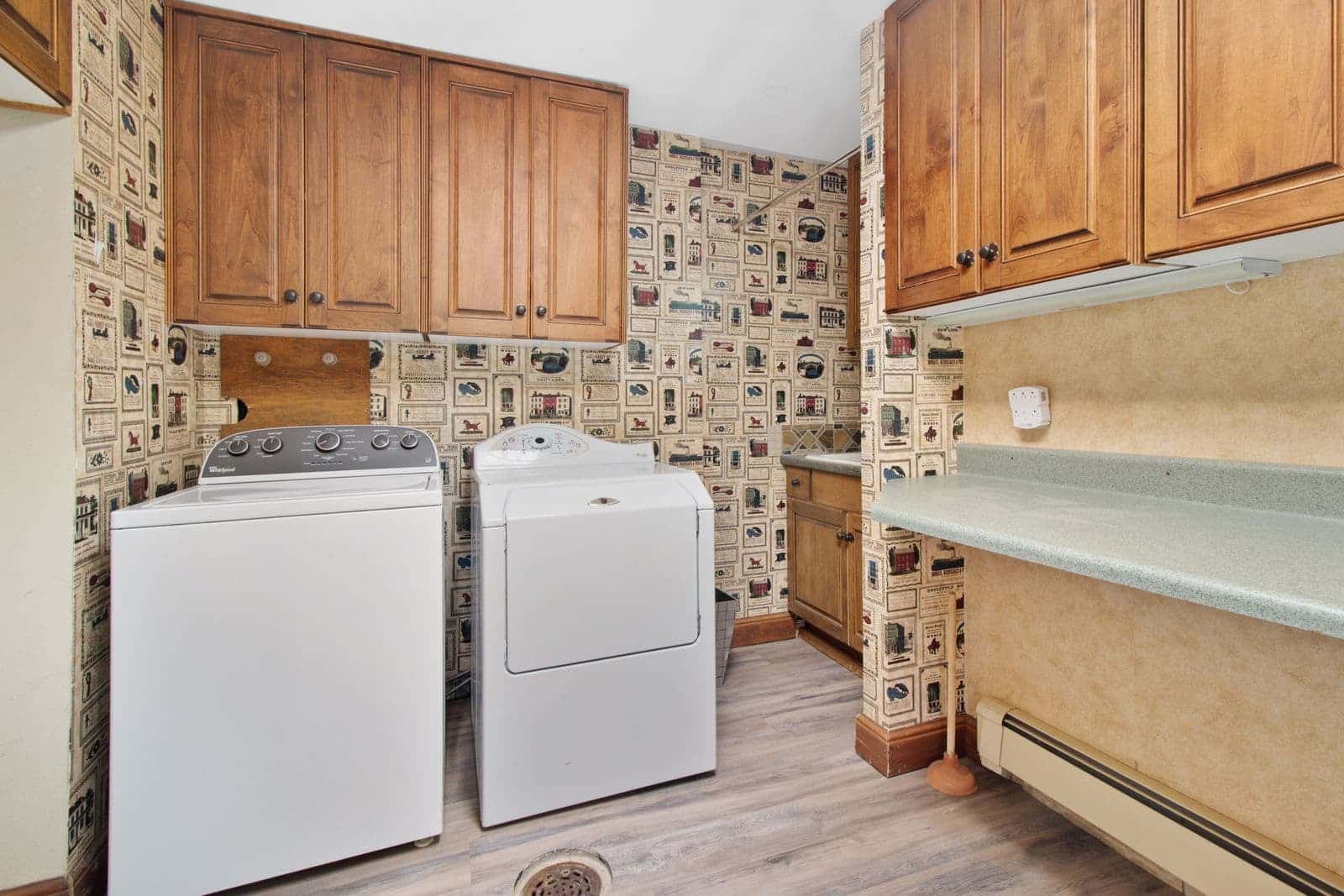
Appliance & Water Heater Leak Damage
Water heaters, washing machines, dishwashers, refrigerator ice-maker lines and evaporative coolers cause much of the water damage inside Tucson homes.
Learn more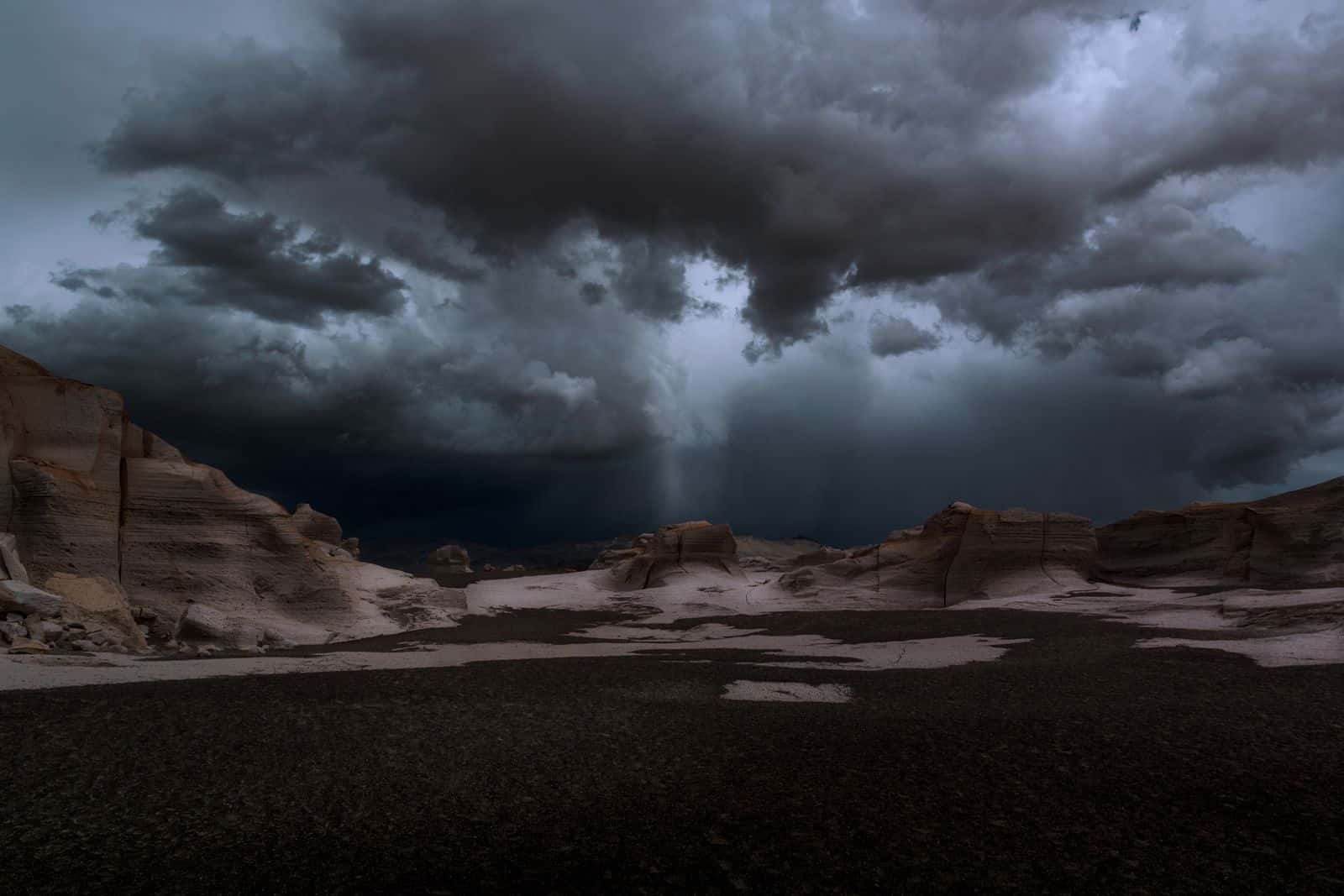
Storm Flooding & Flood Cleanup
Floodwater that enters a home from outside is treated as contaminated (Category 3) water.
Learn moreFire or smoke damage? Board-up, soot cleanup and odor removal.
Fire & smoke restoration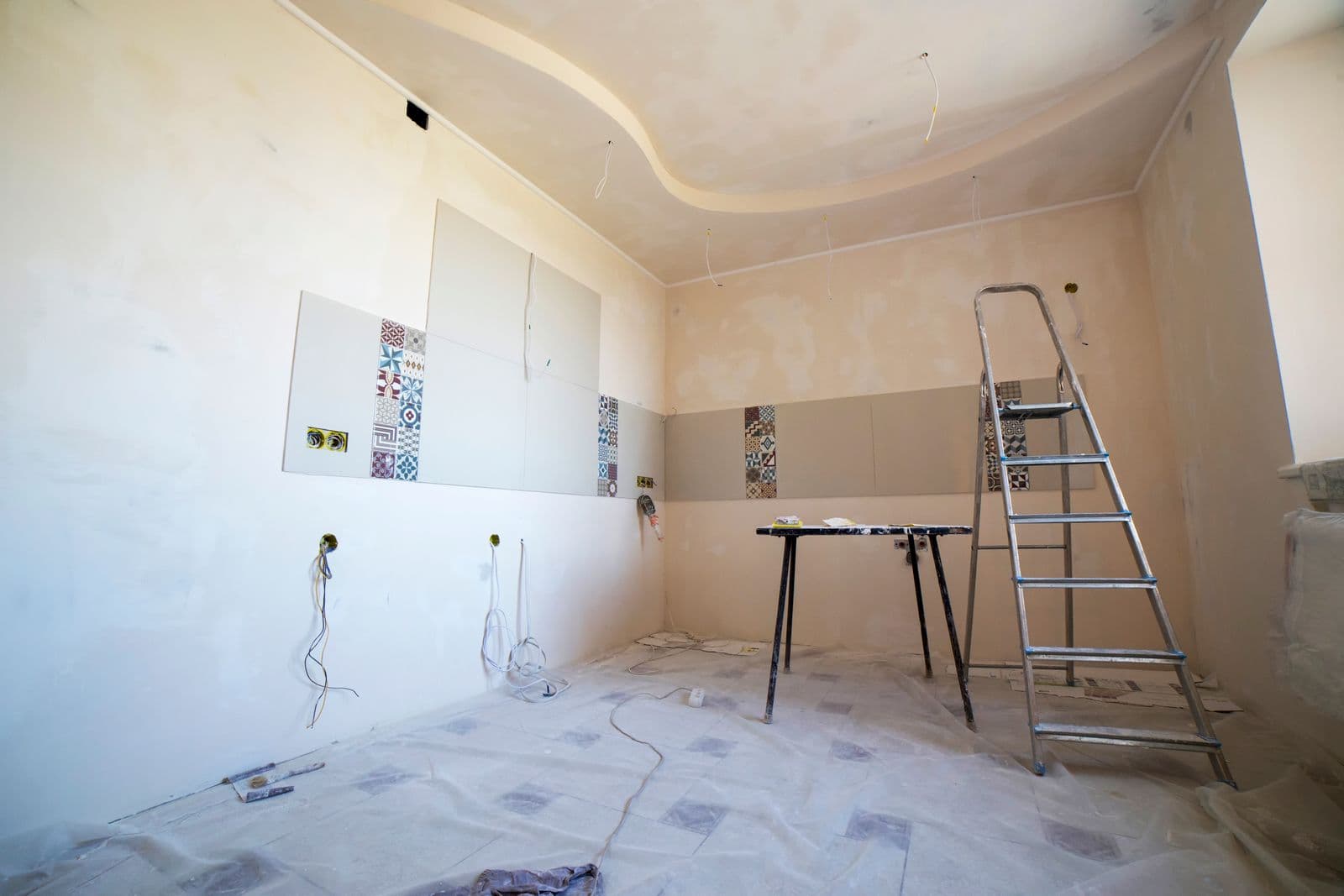
How Copperline works
One request. A local company that serves your ZIP.
- 1
Tell us what happened
Three quick steps: the cause, your ZIP and urgency, and how to reach you.
- 2
A local pro calls you back
A licensed restoration company that serves your ZIP calls you, usually within minutes during business hours. Active-water requests go first.
- 3
They inspect, dry and document
The company contacts you, inspects with moisture meters, quotes the work and documents it for your insurer.
Copperline is free to you and doesn't perform restoration work. Always ask the company you hire for its Arizona ROC license number. How it works in detail →
Local knowledge
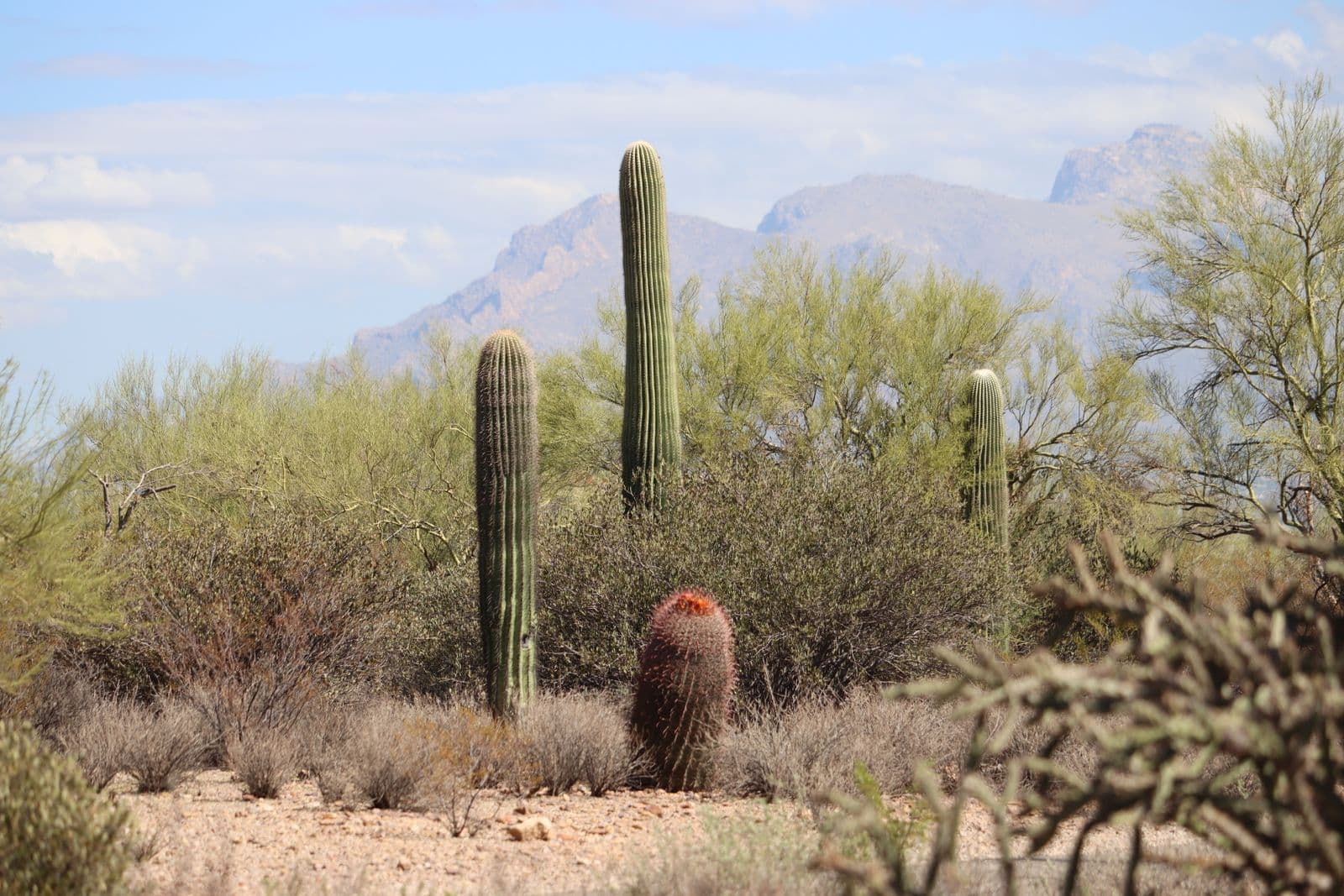
Why water damage in Tucson is different
The desert changes how water gets into a house — and how long it hides.
Slabs on moving soil
Most Tucson homes sit on concrete slabs over caliche and expansive clay. Soil that swells in the monsoon and shrinks in the dry months stresses the pipes beneath — the reason slab leaks are so common here.
Flat roofs and parapets
Older central neighborhoods and many Foothills homes drain flat roofs through scuppers and canales. When monsoon debris clogs them, water pools against the parapet and finds its way into ceilings.
Swamp coolers overhead
Roof-mounted evaporative coolers are still common. A stuck float or cracked pan sends water through the roof penetration or ducts into the ceiling below.
Dry air hides wet walls
Low humidity dries surfaces fast, so a wall can look dry while the framing and drywall behind it stay wet. Moisture meters — not appearance — decide when drying is done.
Monsoon season runs mid-June through September.
Clear scuppers and canales, check parapet caps and service coolers before the first storm.
Monsoon prep checklistStart with what you see
What's happening at your place?
- Water is spraying or pouring from a pipeUsually: Burst pipe or failed supply line
- Ceiling is stained, dripping or saggingUsually: Roof leak, upstairs plumbing or AC line
- Water came in during a monsoon stormUsually: Flat roof, parapet or runoff
- Floor is warm, damp or the carpet is wetUsually: Slab leak under the foundation
- Water heater or washer leakedUsually: Appliance or supply hose failure
- Sewage came up a drainUsually: Main sewer line blockage
- Musty smell or spots on the wallUsually: Hidden moisture, possible mold
- There was a fire in the houseUsually: Soot, smoke and firefighting water
What restoration looks like
From wet to dry to rebuilt
Drag the slider. Example photos of typical water damage and the stage after drying — not specific Copperline or partner jobs.
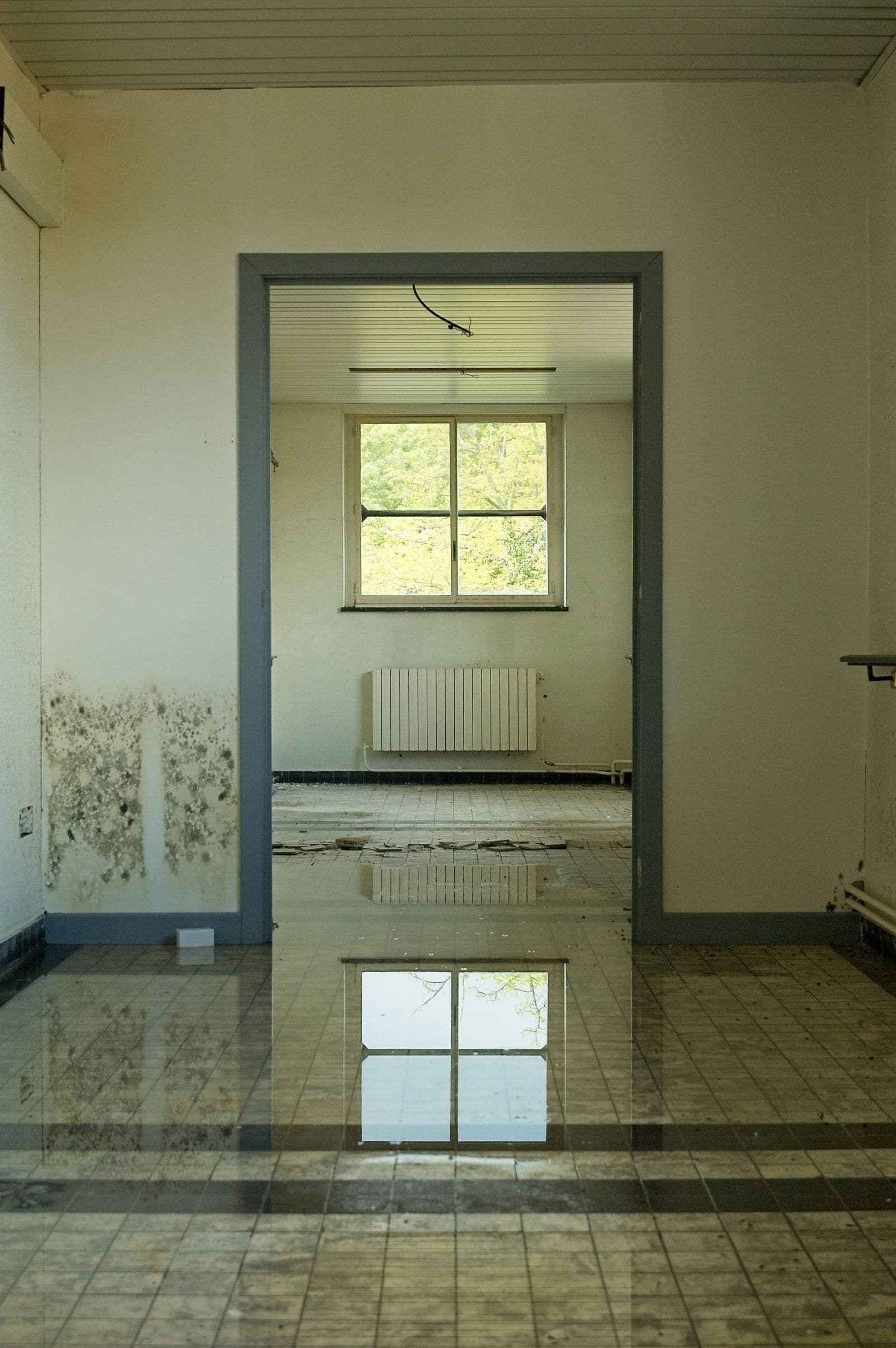
Problem: Standing water across the floor after a supply line failed, soaking drywall at the base of the walls.
Work: Water extracted, wet drywall and baseboards removed, and the room dried with air movers and dehumidifiers until readings reached dry standard.
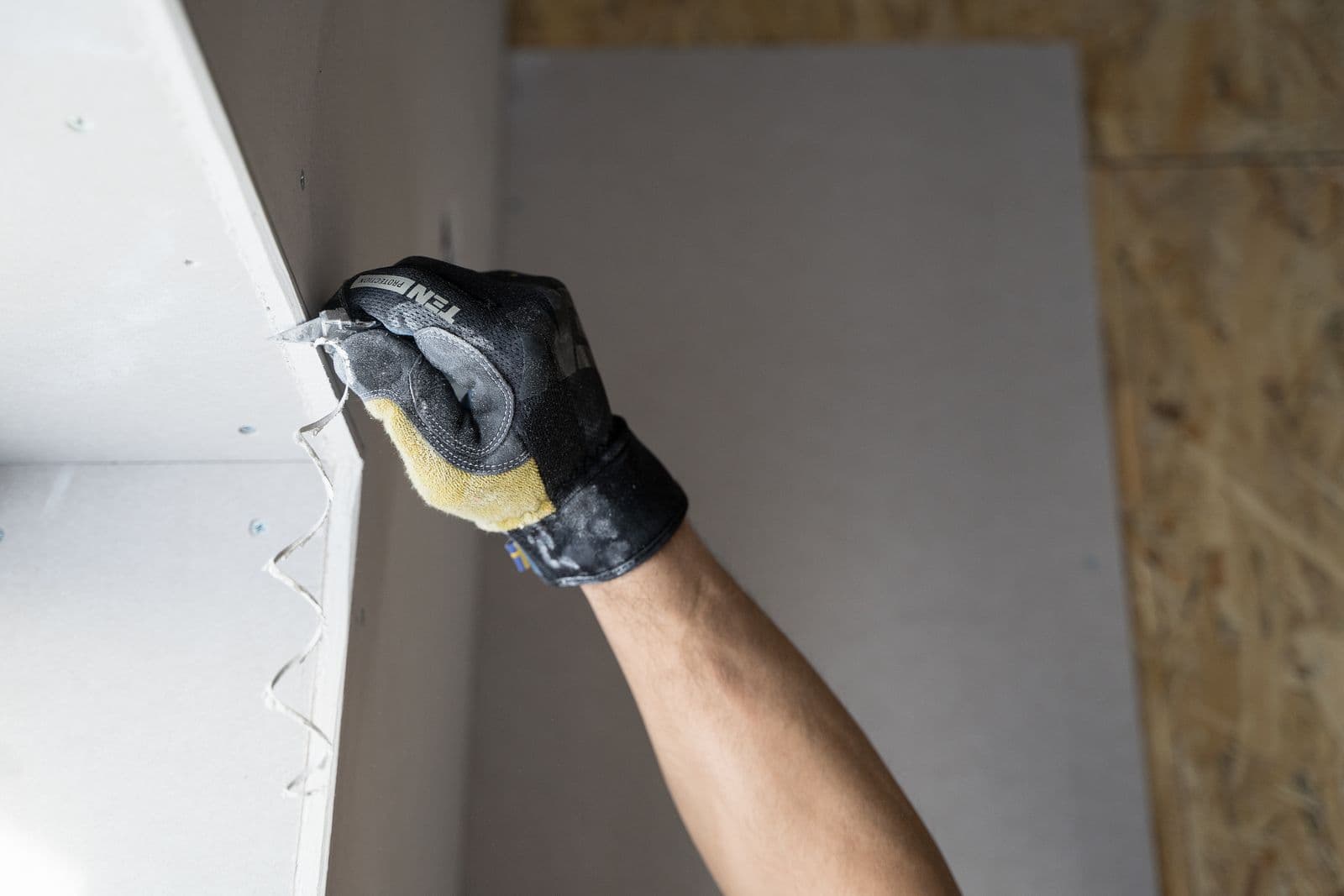
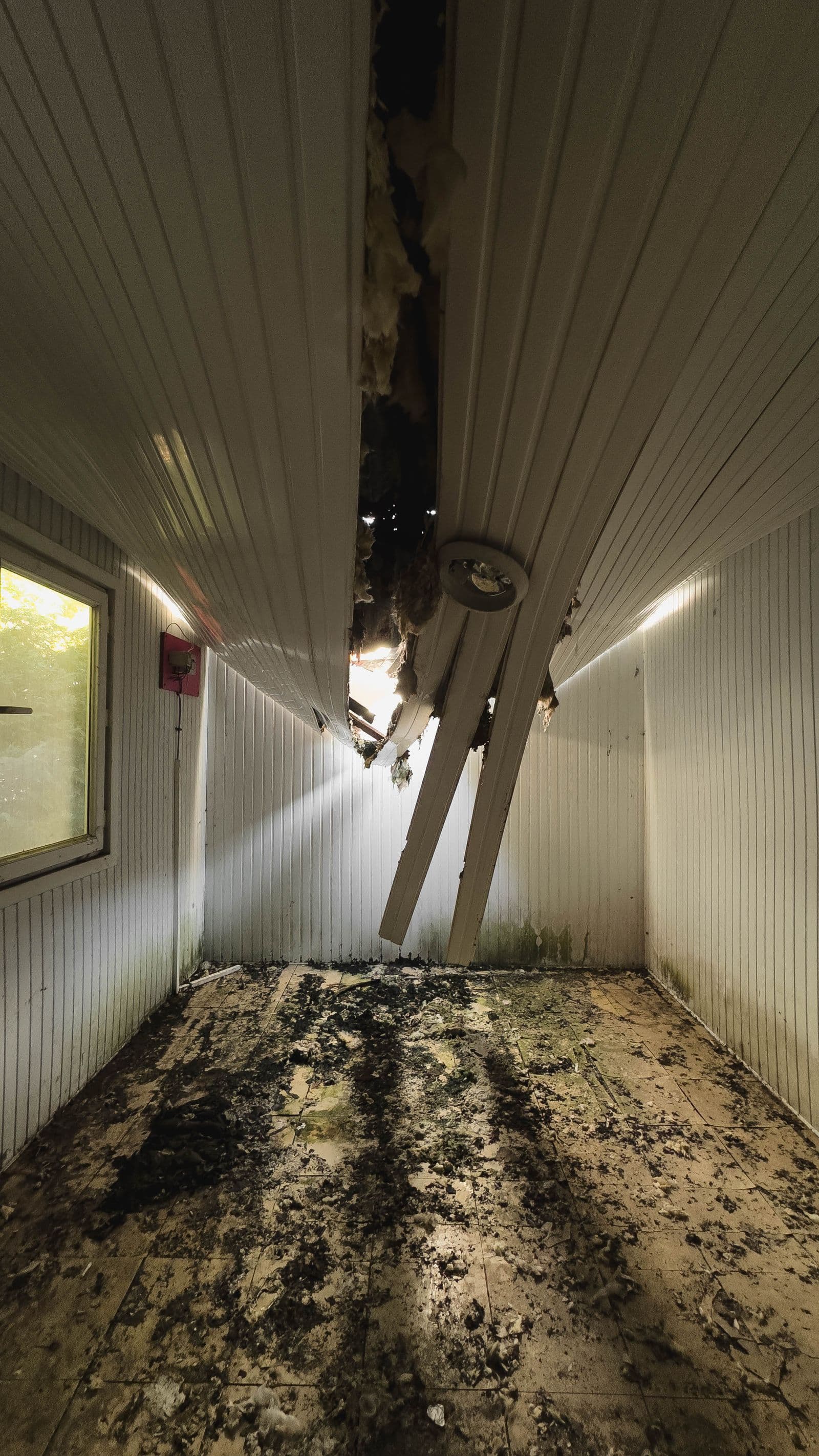
Problem: Ceiling drywall collapsed under water trapped above it after a leak.
Work: Wet drywall and insulation removed, framing dried and checked, then new drywall hung and finished.
Service area
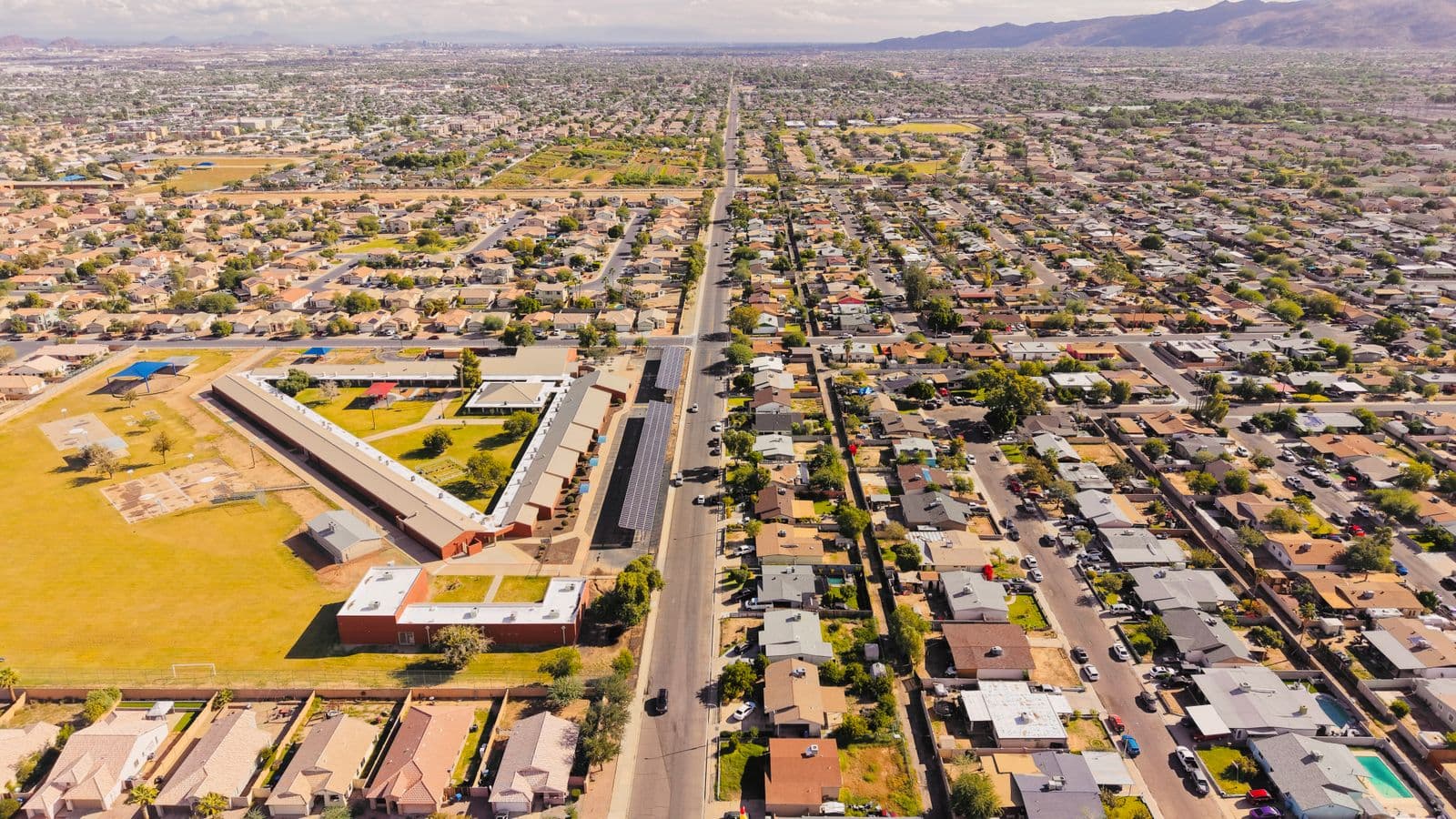
18 areas in Pima & Pinal counties
Licensed local restoration pros serve these Southern Arizona communities, from Oro Valley to San Tan Valley.
Central Tucson
North & Foothills
Northwest
South & Southeast
Oracle & North
East Valley Edge
Pinal Sun Corridor
Resource center
Answers before you decide
What to Do After a Pipe Bursts
Shut off the main water valve immediately, turn off power to any wet area, open a faucet at the lowest point to drain the lines, photograph the damage, then call a plumber for the pipe and a restoration company for the water..
Learn more
Water Damage vs. Flood Damage: What Insurance Covers
Homeowners insurance generally covers sudden, accidental water damage from inside the home — like a burst pipe or failed water heater.
Learn moreHow Fast Does Mold Grow After Water Damage?
Mold can begin growing on wet drywall, wood and carpet within 24 to 48 hours and becomes visible within days to weeks.
Learn moreFAQ
How Copperline works — straight answers
- What is Copperline Restoration?
- How much does it cost to use Copperline?
- What happens after I submit a request?
- Are the restoration companies licensed?
- Do I have to hire the company I'm connected with?
- Can the restoration company work with my insurance?
- What areas do you cover?
- What should I do right now if water is still coming in?
Wet floors, stained ceilings, smoke?
Three quick steps and a local restoration company takes it from there. Free.