Water damage
Structural drying and dehumidification
Structural drying removes moisture from framing, drywall, subfloor and concrete after water is extracted, using air movers to move moisture off surfaces and dehumidifiers to pull it out of the air. It continues until moisture readings in wet materials match readings in unaffected areas.
- Typical time
- Typically 3–5 days, longer for hardwood, plaster or concrete.
- Repair or replace
- Drying is what lets framing, subfloor and often drywall stay in place.
Drying is a controlled process, not a guess. A technician takes baseline readings from dry areas of the house, then checks wet materials daily until they reach that same dry standard.
Tucson's low humidity helps, but it doesn't reach water trapped behind drywall, under tile or in a slab. Opening baseboards, drilling small holes in wall cavities or using injection drying gets air to the places water hides.
Structural Drying & Dehumidification at a glance
- What it is
- Structural drying removes moisture from framing, drywall, subfloor and concrete after water is extracted, using air movers to move moisture off surfaces and dehumidifiers to pull it out of the air.
- Service category
- Water damage
Signs you need wet walls and floors help
- Walls or floors still damp days after a leak
- Musty smell after an earlier water event
- Swollen baseboards or door casings
- Paint bubbling near the floor
- Moisture readings above normal
Quick answers
Structural Drying & Dehumidification: the short version
How long structural drying & dehumidification takes
Typically 3–5 days, longer for hardwood, plaster or concrete.
When wet walls and floors can wait, and when it can't
Begins right after extraction; stopping early traps moisture.
Fix or replace wet walls and floors?
Drying is what lets framing, subfloor and often drywall stay in place.
The visit
How structural drying & dehumidification is done
- 1
Baseline readings
Moisture readings from unaffected areas set the dry goal.
- 2
Equipment placement
Air movers and dehumidifiers are positioned for the room size and materials.
- 3
Daily monitoring
Readings are logged each day; equipment is moved or removed as areas dry.
- 4
Dry standard confirmed
Drying ends when wet materials match the baseline — documented for insurance.
What moves the price of structural drying & dehumidification
- Number of rooms and materials
- Days of equipment rental
- Specialty drying (hardwood, cavities, concrete)
- Monitoring visits
Structural Drying & Dehumidification: common questions
How long does structural drying take?
Typically three to five days after extraction. Hardwood, plaster, concrete and cabinets can take longer.
Can I turn off the drying equipment at night?
It's best not to. Equipment runs around the clock because stopping lets humidity build back up and extends the drying time.
How do I know my house is actually dry?
Ask for the moisture log. Drying is complete when readings in affected materials match readings from unaffected areas, not when surfaces feel dry.
Service area
Structural Drying & Dehumidification in Tucson & Pinal County
Related
Services often paired with structural drying & dehumidification
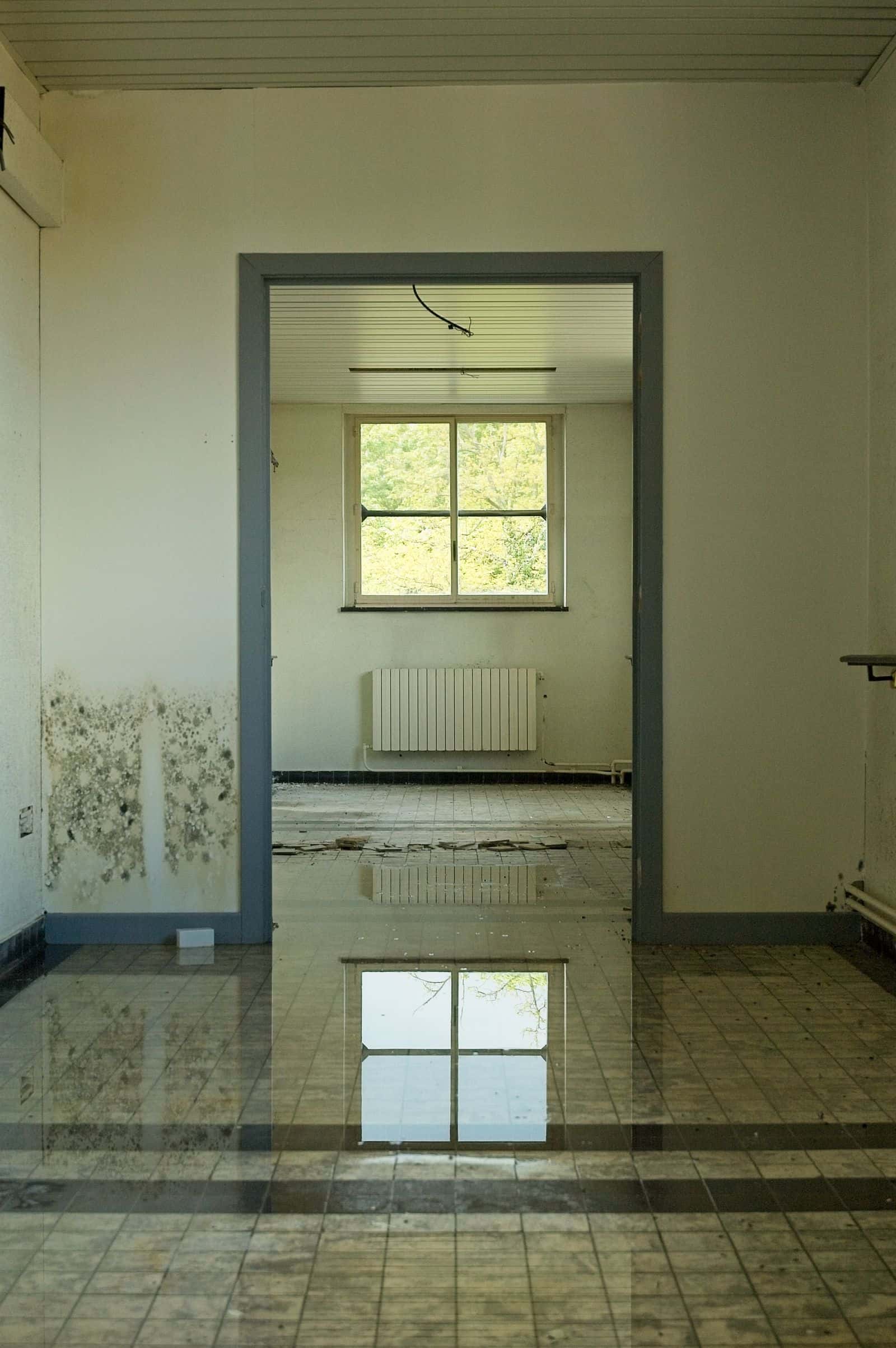
Emergency Water Extraction
Emergency water extraction is the first stage of water damage restoration: removing standing water and pulling water out of carpet, pad and hard floors with truck-mounted or portable extractors, so structural drying can begin.
Learn more
Moisture Mapping & Water Damage Inspection
A water damage inspection uses moisture meters and thermal imaging to map exactly where water traveled inside walls, floors and ceilings, so only affected materials are removed and nothing wet is left behind.
Learn moreHardwood Floor Water Damage
Water-damaged hardwood can often be saved if specialized floor-drying systems start within a day or two.
Learn more
Get help with wet walls and floors
Begins right after extraction; stopping early traps moisture.