Restoration services
Emergency extraction, drying, repairs, water damage by cause and material, plus fire and smoke. Each page explains the signs, the restoration process and what affects the cost.
Core water damage restoration
The emergency response and process every water loss goes through.
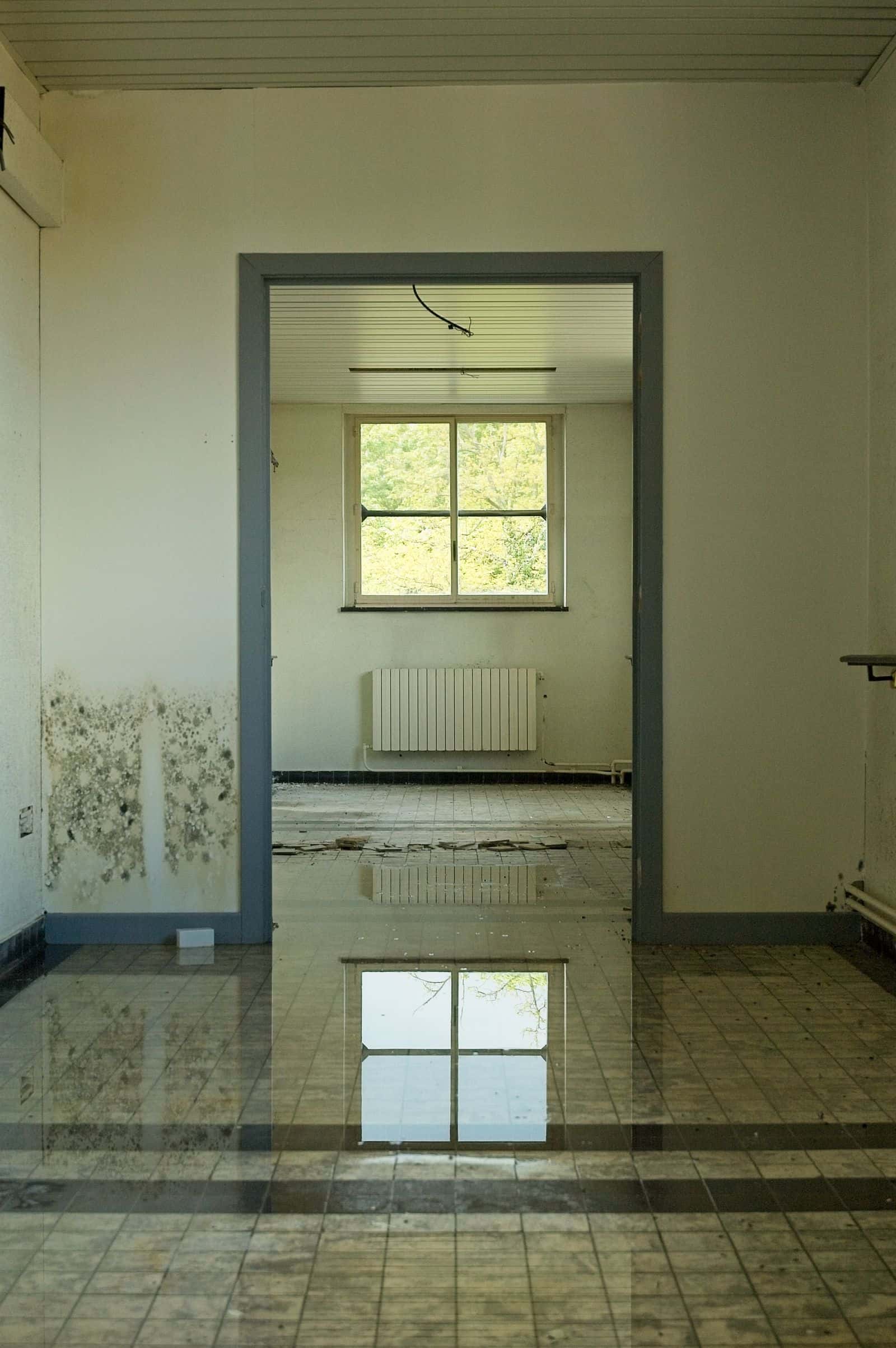
Water Damage Restoration
Water damage restoration is the process of stopping the water, extracting it, drying the structure to a measured dry standard, and repairing what couldn't be saved.
Learn moreEmergency Water Extraction
Emergency water extraction is the first stage of water damage restoration: removing standing water and pulling water out of carpet, pad and hard floors with truck-mounted or portable extractors, so structural drying can begin.
Learn more
Structural Drying & Dehumidification
Structural drying removes moisture from framing, drywall, subfloor and concrete after water is extracted, using air movers to move moisture off surfaces and dehumidifiers to pull it out of the air.
Learn more
Moisture Mapping & Water Damage Inspection
A water damage inspection uses moisture meters and thermal imaging to map exactly where water traveled inside walls, floors and ceilings, so only affected materials are removed and nothing wet is left behind.
Learn more
Water Damage Repair & Rebuild
Water damage repair — often called rebuild or reconstruction — replaces the drywall, insulation, baseboards, flooring, cabinets and paint removed during mitigation, once the structure is confirmed dry.
Learn moreWater damage by cause
What caused the water changes the urgency, the cleanup and the claim.
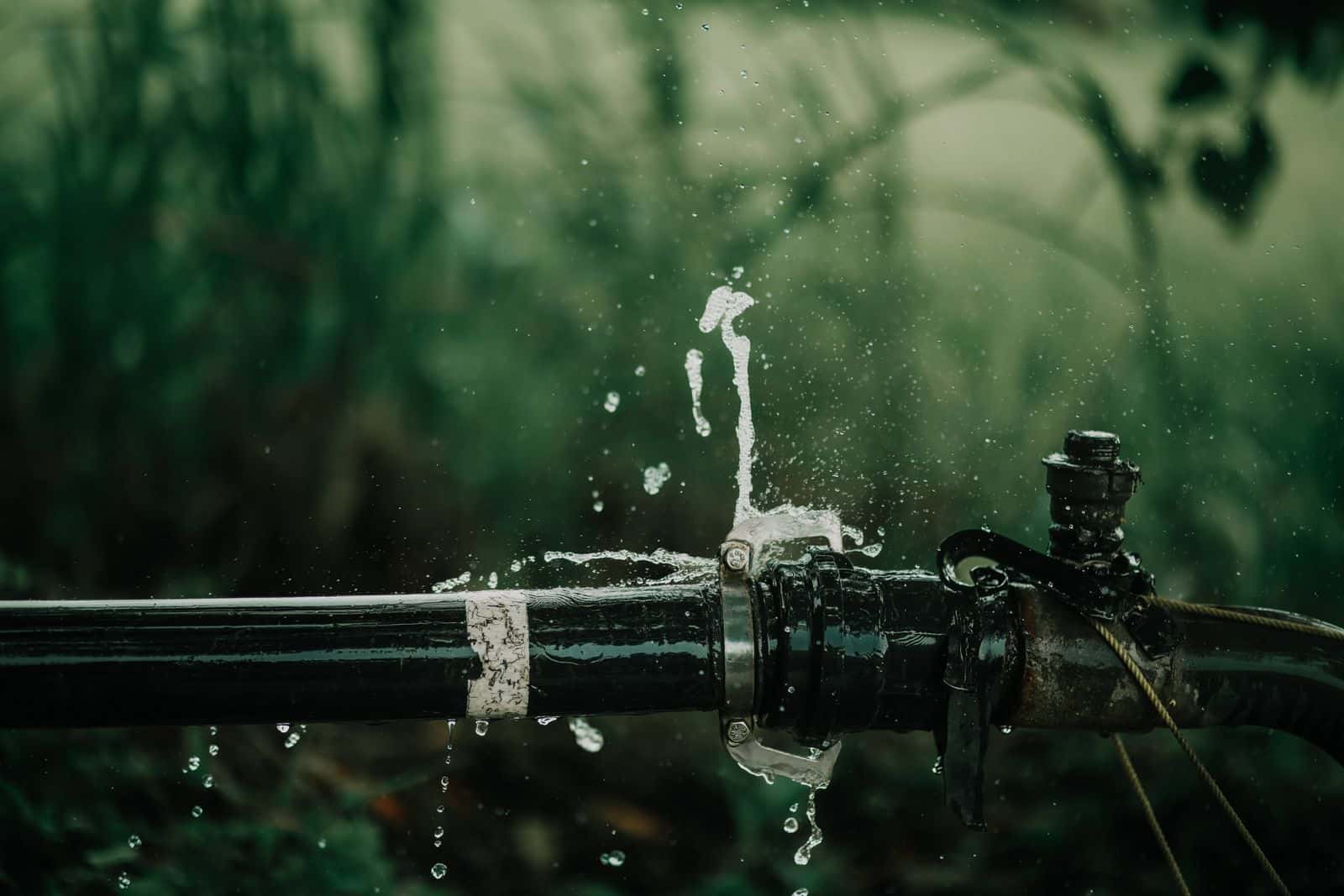
Burst Pipe Water Damage
When a pipe bursts, shut off the main water valve first, then turn off power to any wet area.
Learn moreSlab Leak Water Damage
A slab leak is a leak in a water line under or inside a home's concrete slab.
Learn more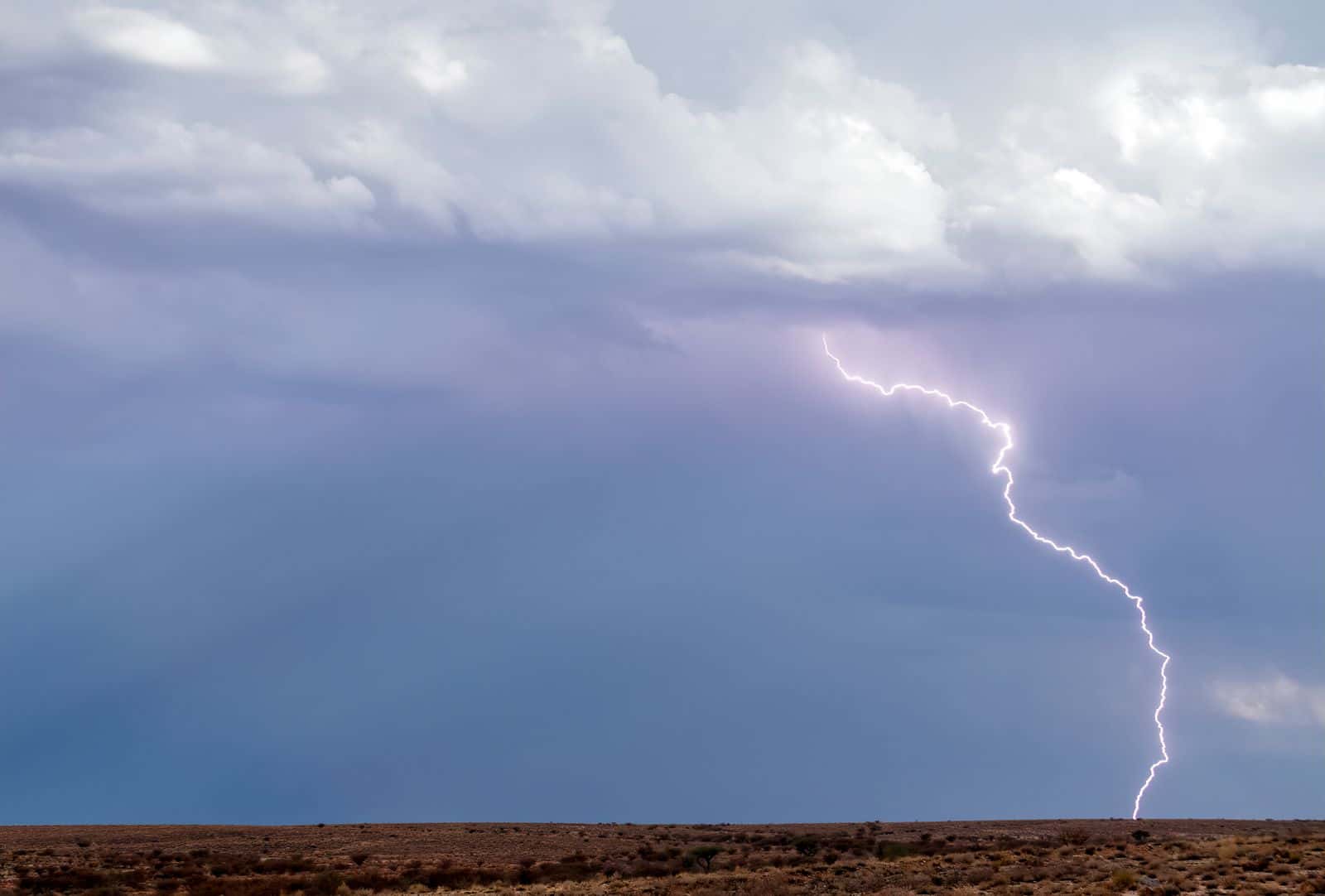
Monsoon & Roof Leak Water Damage
Monsoon storms can drop an inch of rain in minutes, overwhelming flat roofs, parapet walls and scuppers.
Learn more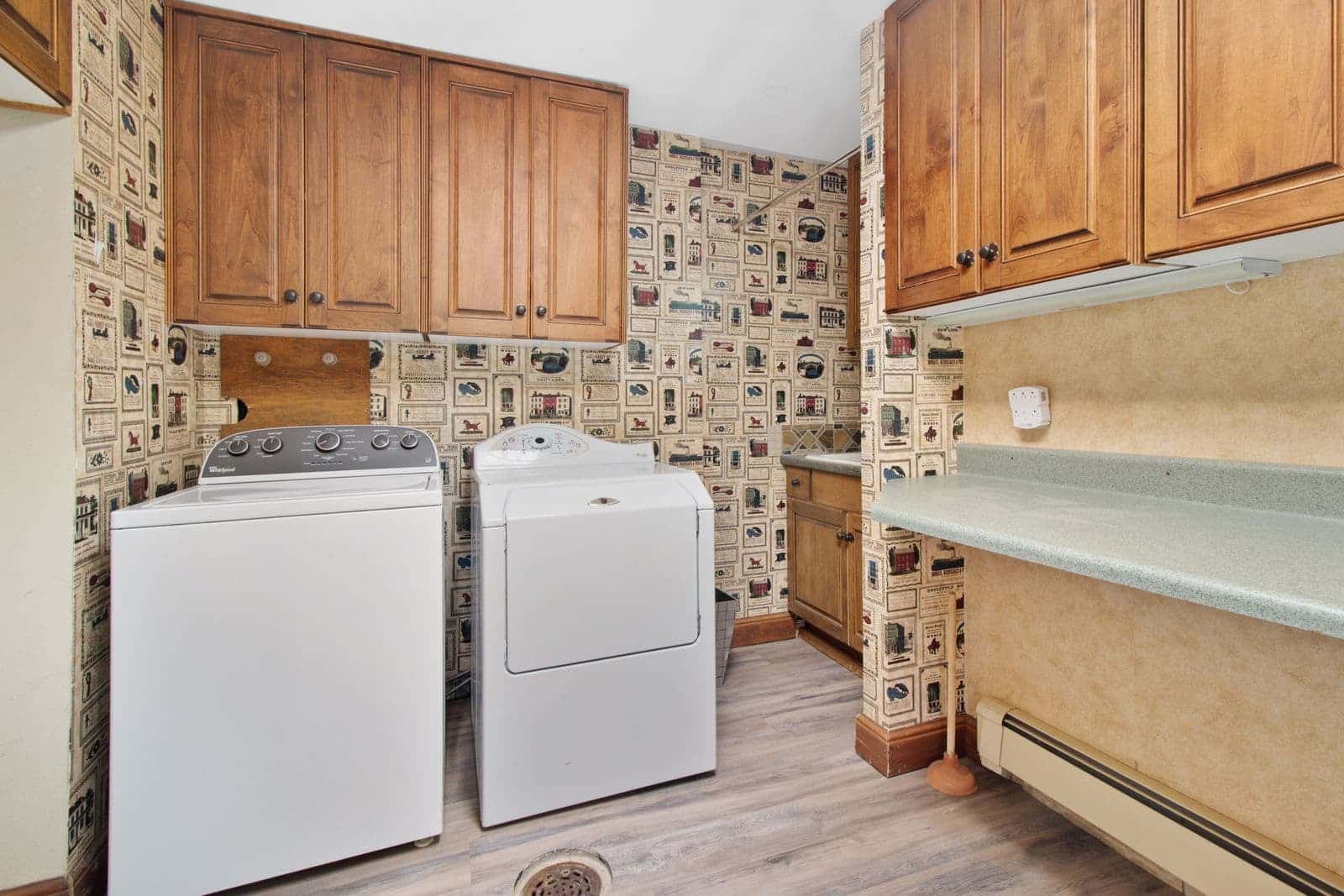
Appliance & Water Heater Leak Damage
Water heaters, washing machines, dishwashers, refrigerator ice-maker lines and evaporative coolers cause much of the water damage inside Tucson homes.
Learn more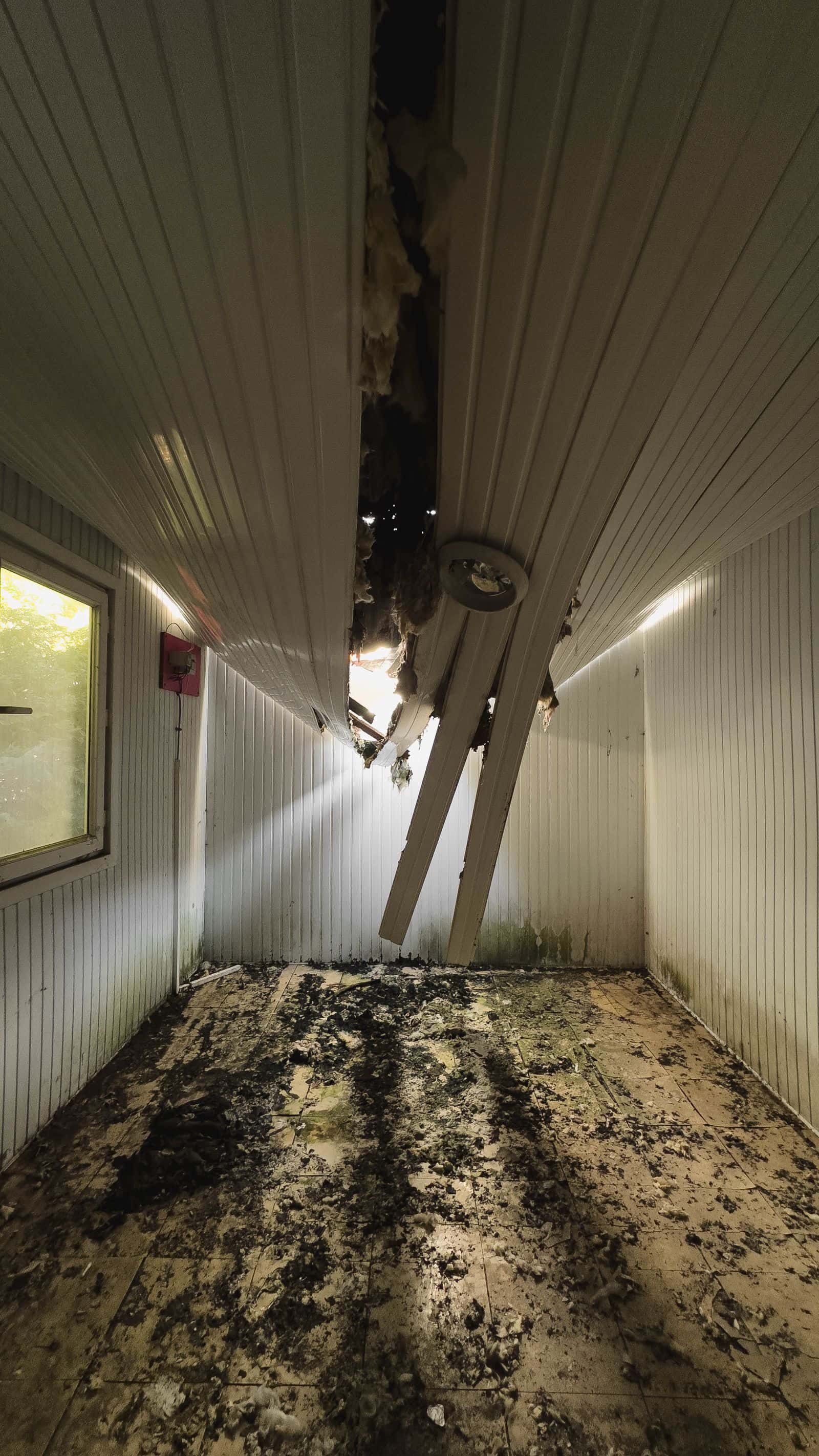
Toilet Overflow Water Damage
Water from a toilet overflow is treated as contaminated — gray water if it came from the tank or bowl with urine only, black water (Category 3) if it contained feces or came from a sewer backup.
Learn more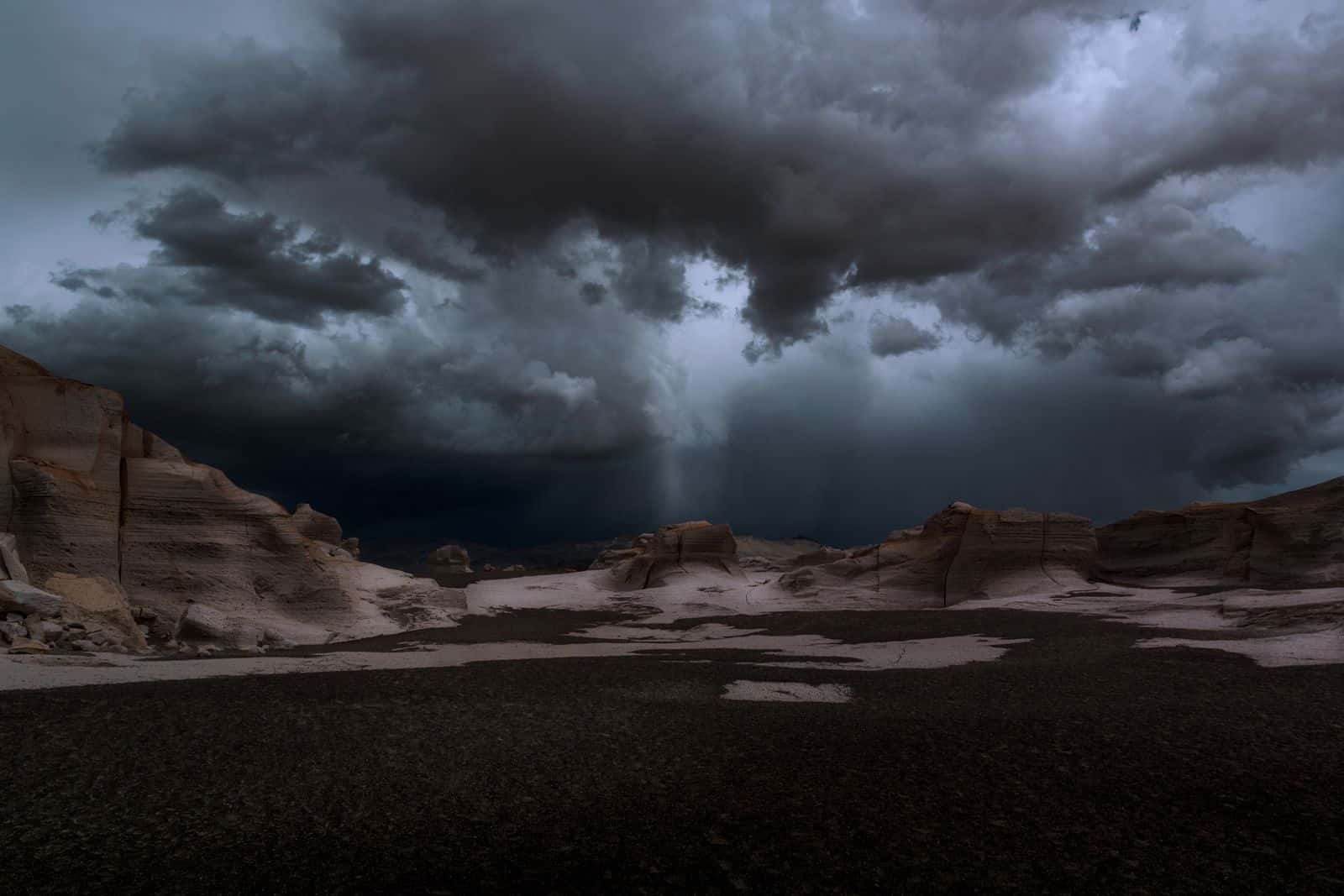
Storm Flooding & Flood Cleanup
Floodwater that enters a home from outside is treated as contaminated (Category 3) water.
Learn moreSewage Backup Cleanup
A sewage backup is Category 3 contaminated water and a health hazard.
Learn moreBy material and property
Ceilings, floors, carpet and commercial spaces each dry differently.
Ceiling Water Damage
Ceiling water damage comes from above: a roof leak, a pipe or fixture on an upper floor, an AC condensate line, or a water heater in the attic.
Learn moreHardwood Floor Water Damage
Water-damaged hardwood can often be saved if specialized floor-drying systems start within a day or two.
Learn moreWet Carpet Drying & Pad Replacement
Carpet soaked by clean water can usually be dried and saved if extraction starts within 24–48 hours, though the pad underneath is often replaced.
Learn moreCommercial Water Damage Restoration
Commercial water damage restoration covers extraction, drying and repairs for offices, retail spaces, restaurants, medical suites and multifamily buildings, planned around keeping the business operating and documenting the loss for the insurer and property owner..
Learn moreFire & smoke damage
Securing the property, soot and odor, and your belongings.
Fire & Smoke Damage Restoration
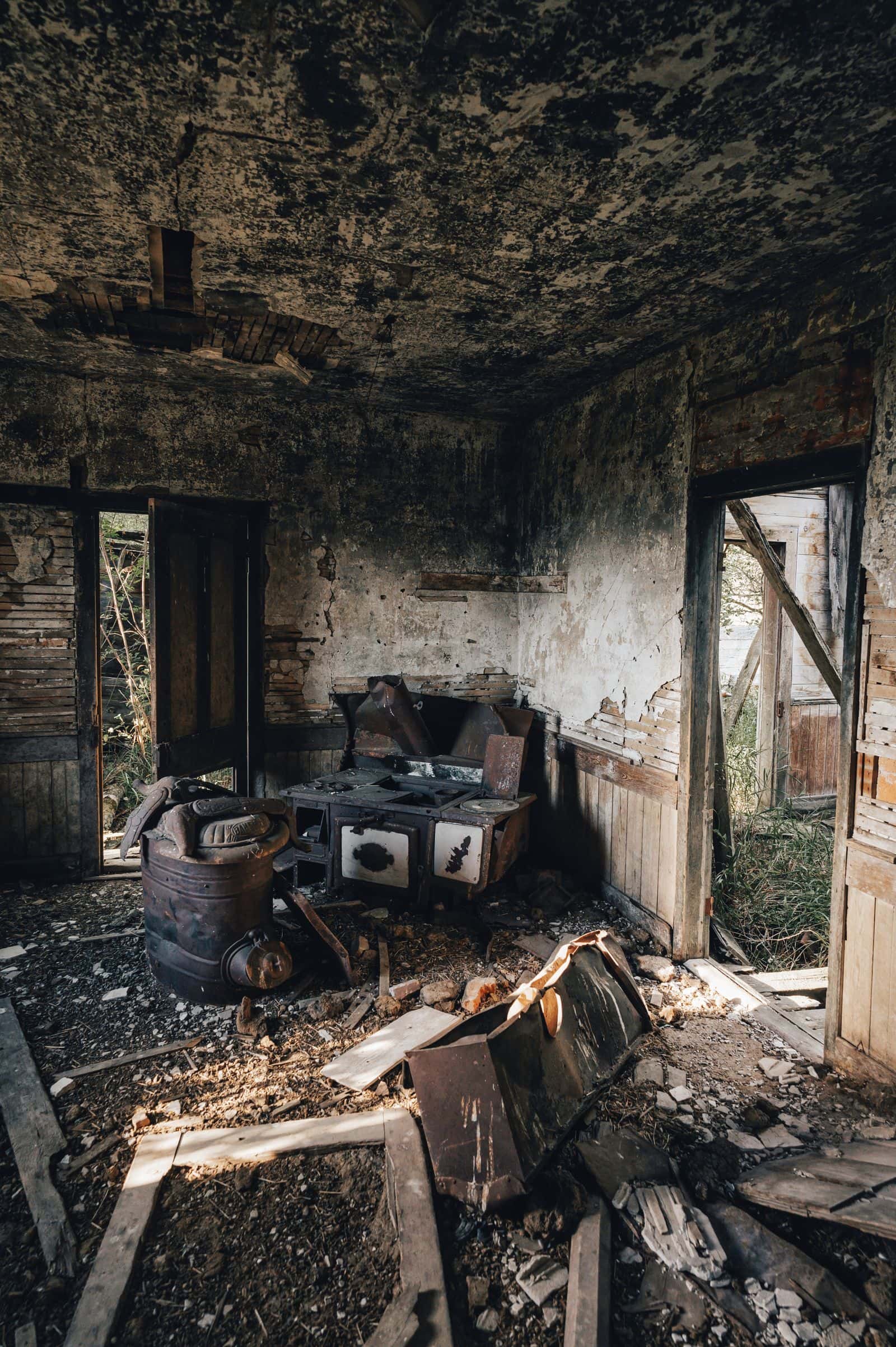
Fire damage restoration covers securing the property, removing soot and smoke residue, eliminating odor, cleaning or replacing damaged contents, and drying the water used to put the fire out.
Learn more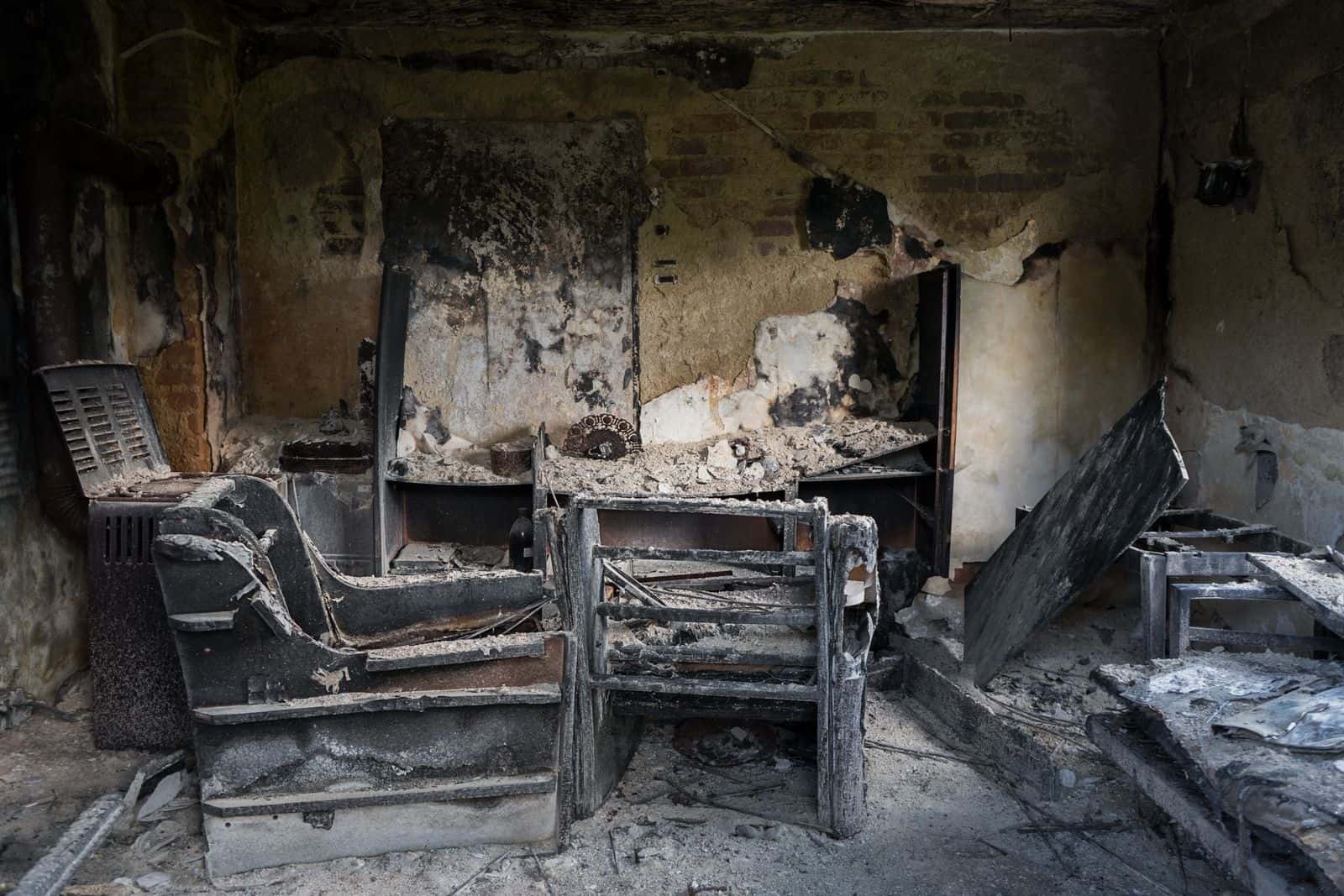
Emergency Board-Up & Roof Tarping
Emergency board-up covers broken windows and doors with plywood, and roof tarping covers holes or damaged roofing, to keep out weather and intruders after a fire, monsoon storm or break-in.
Learn moreSmoke Odor Removal
Smoke odor is removed by cleaning away the soot and residue that cause it, cleaning the HVAC system, and then treating the structure and air with methods like thermal fogging, hydroxyl generators or ozone.
Learn more
Wildfire Smoke Damage Cleanup
Wildfire smoke damage cleanup removes ash and fine soot that entered a home through vents, windows and the HVAC system during a nearby wildfire, then treats lingering odor.
Learn moreContents Pack-Out & Cleaning
Contents pack-out is the inventorying, packing and removal of belongings so the home can be restored, followed by cleaning, deodorizing or drying salvageable items and storing them until they're returned.
Learn moreNot sure which applies? Describe what happened and we'll route it.
Not sure where the water came from?
Tell us what you're seeing. A local restoration company will find the source and the extent of the damage.