Water damage
Mold remediation after water damage
Mold remediation removes mold growth and the materials it has damaged, under containment so spores don't spread, after the moisture that fed it is fixed. Small patches on hard surfaces can often be cleaned by a homeowner; larger areas, mold inside walls, or growth after sewage or floodwater call for professional remediation.
- Typical time
- Often 1–5 days depending on how much material is removed, plus drying.
- Repair or replace
- Porous materials with growth are removed and replaced; hard surfaces are cleaned.
Mold is a moisture problem first. It grows where materials stayed wet: behind a slow leak under a sink, in drywall above a leaking AC pan, under flooring after a burst supply line, or in a wall that was never dried properly after earlier water damage. Removing the mold without fixing that moisture brings it back.
Remediation is not the same as spraying a product on a stain. Porous materials that mold has grown into, such as drywall, insulation and carpet pad, are cut out and bagged under containment; framing and other hard surfaces are cleaned; and the area is dried and checked before anything is rebuilt. The U.S. EPA's guidance suggests professional help when the affected area is larger than about 10 square feet, or when mold follows contaminated water.
Mold Remediation After Water Damage at a glance
- What it is
- Mold remediation removes mold growth and the materials it has damaged, under containment so spores don't spread, after the moisture that fed it is fixed.
- Service category
- Water damage
Signs you need mold remediation help
- A musty smell that doesn't go away with ventilation
- Spotting or discoloration on drywall, baseboards or ceilings, especially near plumbing or the AC
- Peeling paint, bubbling or soft drywall at the bottom of a wall
- Mold returning after it was cleaned
- Water damage that was never measured dry
Quick answers
Mold Remediation After Water Damage: the short version
How long mold remediation after water damage takes
Often 1–5 days depending on how much material is removed, plus drying.
When mold remediation can wait, and when it can't
Soon, but after the moisture source is fixed; spreading spores by disturbing it without containment makes it worse.
Fix or replace mold remediation?
Porous materials with growth are removed and replaced; hard surfaces are cleaned.
The visit
How mold remediation after water damage is done
- 1
Find and fix the moisture
Moisture readings and, if needed, thermal imaging locate what is wet and why. The leak or water source is repaired first.
- 2
Contain
The work area is sealed with plastic sheeting and kept under negative air pressure with HEPA filtration so spores and dust don't travel to the rest of the house.
- 3
Remove and clean
Moldy porous materials are cut out and bagged; framing and hard surfaces are HEPA-vacuumed and cleaned.
- 4
Dry and verify
The structure is dried to a measured dry standard and checked before rebuild. Some owners also choose independent post-remediation testing.
What moves the price of mold remediation after water damage
- Size of the affected area and how many rooms
- Whether mold is inside walls, ceilings or HVAC, or only on surfaces
- How much drywall, insulation, flooring or cabinetry has to be removed
- Containment and air filtration needed
- Whether the source was clean water, or sewage or floodwater
- Rebuild after remediation
Before you call
Safe first steps: mold remediation
Safe to do yourself
- •Clean a small patch on a hard, non-porous surface with detergent and water while wearing gloves and a mask
- •Fix a small drip and dry the area quickly
Stop and get professional help if
- •The area is larger than about 10 square feet
- •Mold is inside walls, ceilings or ductwork
- •It followed sewage or floodwater
- •Someone in the house has asthma, allergies or a weakened immune system
Check coverage near you
Use your location or ZIP code to see whether mold remediation after water damage is covered where you are, and the nearest service area.
Location is only used to find the service area nearest you. It stays on your device and isn't stored.
Happening right now? 24-hour emergency service is the faster route than a scheduled visit.
Mold Remediation After Water Damage: common questions
Can mold grow in a dry climate like Arizona?
Yes. The outdoor air is dry, but mold only needs a material that stays wet, and a slow leak, an AC condensate overflow or water trapped under flooring provides that indoors.
What does mold containment look like?
Plastic sheeting seals the work area, doorways get zippered entries, and an air scrubber with a HEPA filter keeps the space under negative pressure so dust and spores are pulled through the filter instead of into the rest of the house.
Should I test for mold before remediation?
If you can see it or smell it, testing usually isn't needed to decide on removal; the moisture source and the extent of damage matter more. Testing can help after remediation, to confirm the area is back to normal.
Does homeowners insurance cover mold?
Policies vary widely. Mold that results from a sudden, covered water loss is more often covered, sometimes with a limit; mold from a long-term leak or humidity often isn't. Check your policy and document the water source.
Can I stay in the house during mold remediation?
Often yes, when the work area is contained under negative pressure. People with respiratory conditions may prefer to stay elsewhere during removal.
Service area
Mold Remediation After Water Damage in Tucson & Pinal County
- Mold Remediation After Water Damage in Tucson
- Catalina Foothills
- Oro Valley
- Marana
- Casas Adobes
- Sahuarita
- Green Valley
- Vail
- San Tan Valley
- Maricopa
- Casa Grande
- Apache Junction
- Gold Canyon
- Florence
- Coolidge
- Eloy
- Arizona City
- Oracle & San Manuel
- Tanque Verde
- Corona de Tucson
- Picture Rocks
- Superior
- San Manuel
- Kearny
- Mold Remediation After Water Damage in Mesa
- Gilbert
- Chandler
- Scottsdale
- Glendale
- Boise
- Meridian
- Nampa
Related
Services often paired with mold remediation after water damage
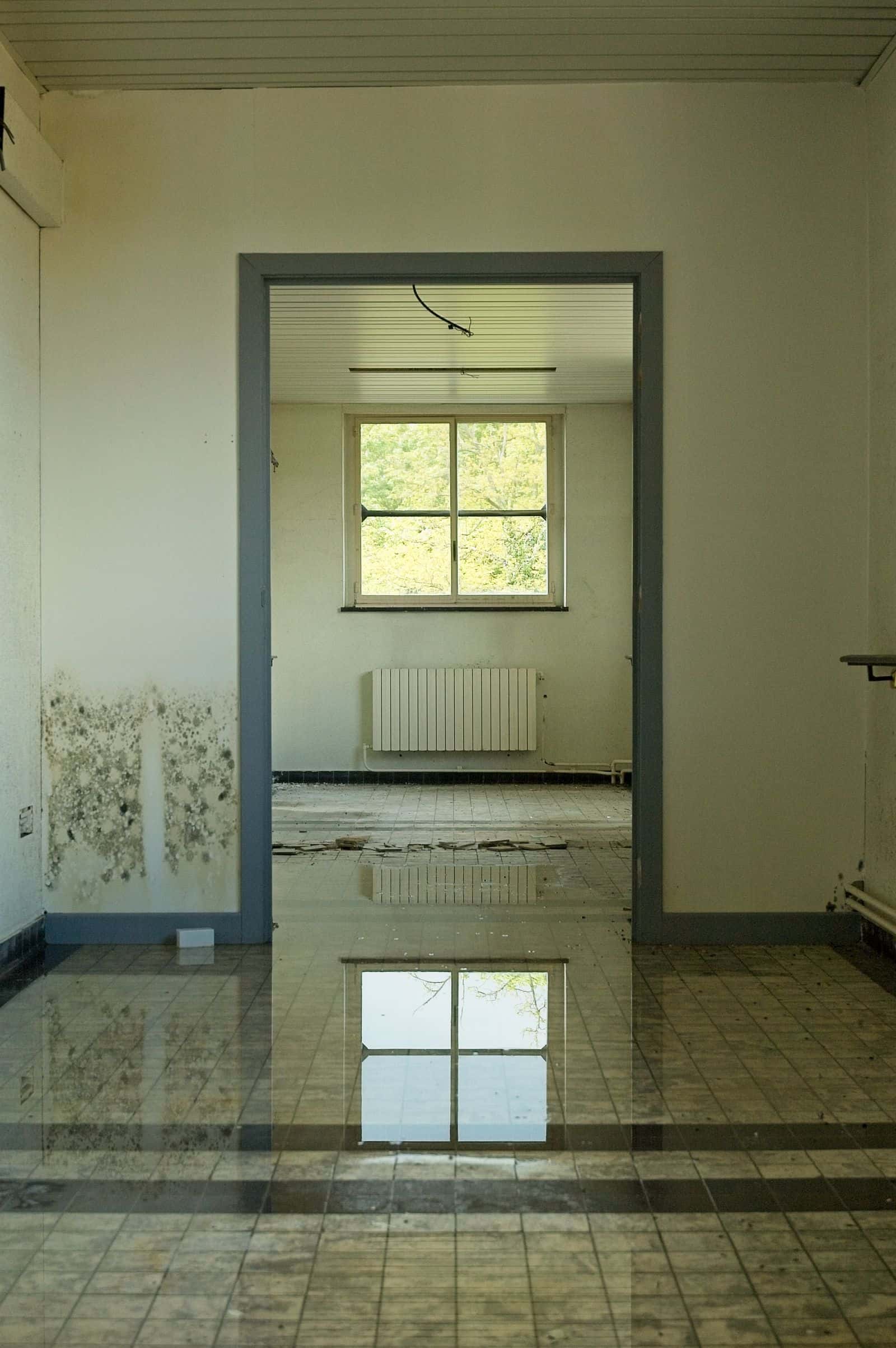
Water Damage Restoration
Water damage restoration is the process of stopping the water, extracting it, drying the structure to a measured dry standard, and repairing what couldn't be saved.
Learn more
Moisture Mapping & Water Damage Inspection
A water damage inspection uses moisture meters and thermal imaging to map exactly where water traveled inside walls, floors and ceilings, so only affected materials are removed and nothing wet is left behind.
Learn more
Structural Drying & Dehumidification
Structural drying removes moisture from framing, drywall, subfloor and concrete after water is extracted, using air movers to move moisture off surfaces and dehumidifiers to pull it out of the air.
Learn more
Get help with mold remediation
Soon, but after the moisture source is fixed; spreading spores by disturbing it without containment makes it worse.