Water damage
Emergency water extraction
Emergency water extraction is the first stage of water damage restoration: removing standing water and pulling water out of carpet, pad and hard floors with truck-mounted or portable extractors, so structural drying can begin. The sooner water is extracted, the more flooring and drywall can be saved.
- Typical time
- A few hours for most homes.
- Repair or replace
- Fast extraction is what makes drying in place possible; delay leads to replacement.
Extraction removes the bulk of the water — far more than drying equipment can. Weighted extraction tools squeeze water out of carpet and pad; submersible pumps handle deep standing water; squeegee wands clear tile and concrete.
It's the step that decides how much of the house can be dried in place. Water that sits for a day soaks into drywall, cabinets and subfloor, and those materials often end up being cut out instead.
Emergency Water Extraction at a glance
- What it is
- Emergency water extraction is the first stage of water damage restoration: removing standing water and pulling water out of carpet, pad and hard floors with truck-mounted or portable extractors, so structural drying can begin.
- Service category
- Water damage
Signs you need standing water help
- Standing water on any floor
- Carpet that squishes underfoot
- Water pooled under appliances or cabinets
- Water spreading from a room into a hallway
- Wet garage floor seeping under the house door
Quick answers
Emergency Water Extraction: the short version
How long emergency water extraction takes
A few hours for most homes.
When standing water can wait, and when it can't
Emergency — every hour of standing water soaks deeper into drywall and subfloor.
Fix or replace standing water?
Fast extraction is what makes drying in place possible; delay leads to replacement.
The visit
How emergency water extraction is done
- 1
Make it safe
Water source shut off; power cut to wet rooms; contaminated water identified before anyone walks through it.
- 2
Remove standing water
Pumps and extractors remove the bulk of the water from floors.
- 3
Extract from carpet and pad
Weighted extraction pulls water from carpet and pad; soaked pad is usually removed.
- 4
Set up drying
Air movers and dehumidifiers are placed immediately after extraction.
What moves the price of emergency water extraction
- Volume of water and area covered
- Carpet and pad vs. hard flooring
- Clean vs. contaminated water
- After-hours response
Emergency Water Extraction: common questions
How fast should water be extracted?
Within hours if possible. Extraction in the first few hours often means carpet and drywall can be dried in place; after a day or two, more materials usually have to be removed.
Can a wet/dry vacuum replace professional extraction?
For a small spill on hard flooring, yes. Shop vacs remove only surface water — they can't pull water out of carpet pad or subfloor the way weighted extraction tools do.
Is water extraction the same as drying?
No. Extraction removes liquid water; structural drying then removes the moisture left in materials using dehumidifiers and air movers over several days.
Service area
Emergency Water Extraction in Tucson & Pinal County
Related
Services often paired with emergency water extraction
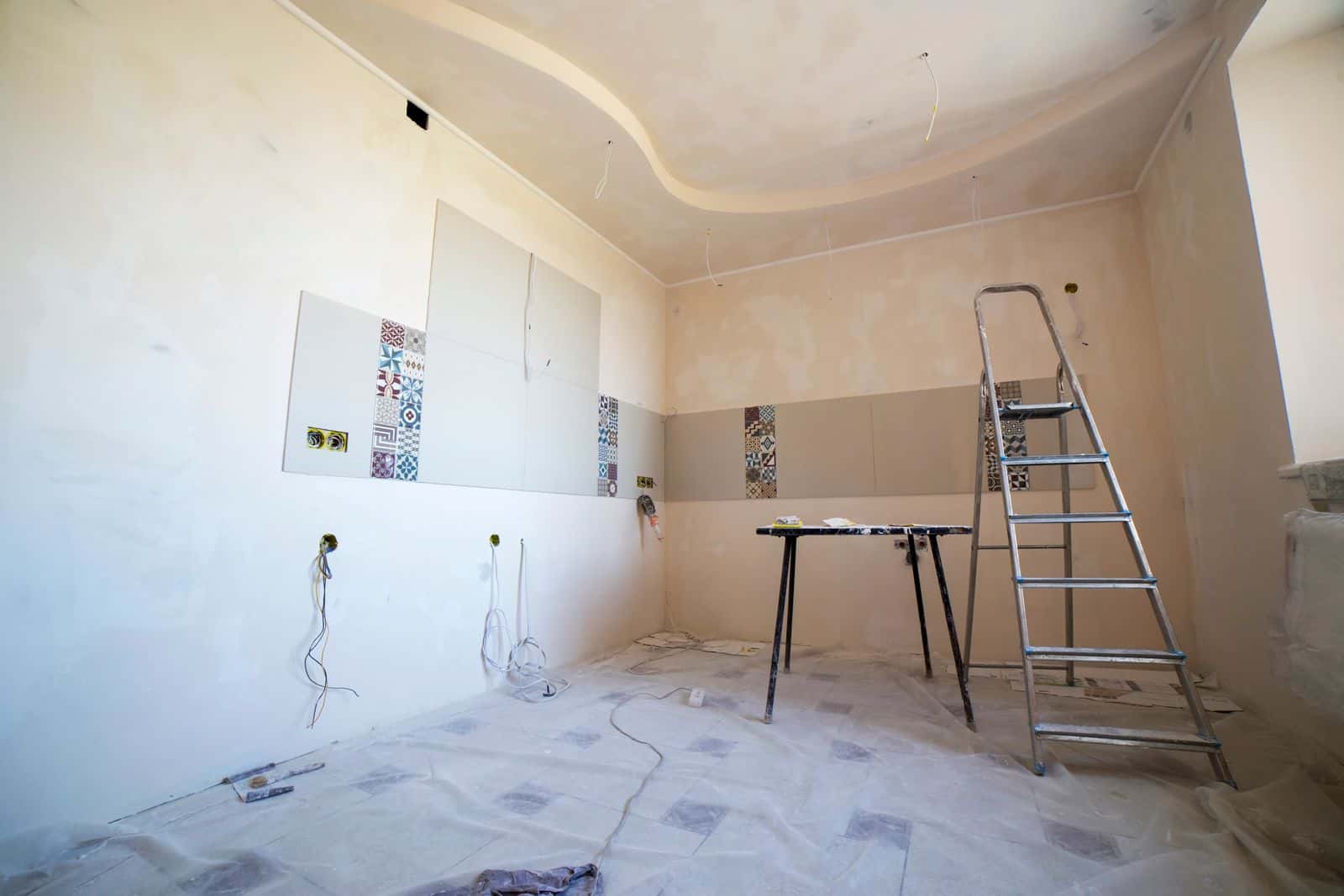
Commercial Water Damage Restoration
Commercial water damage restoration covers extraction, drying and repairs for offices, retail spaces, restaurants, medical suites and multifamily buildings, planned around keeping the business operating and documenting the loss for the insurer and property owner..
Learn moreStructural Drying & Dehumidification
Structural drying removes moisture from framing, drywall, subfloor and concrete after water is extracted, using air movers to move moisture off surfaces and dehumidifiers to pull it out of the air.
Learn more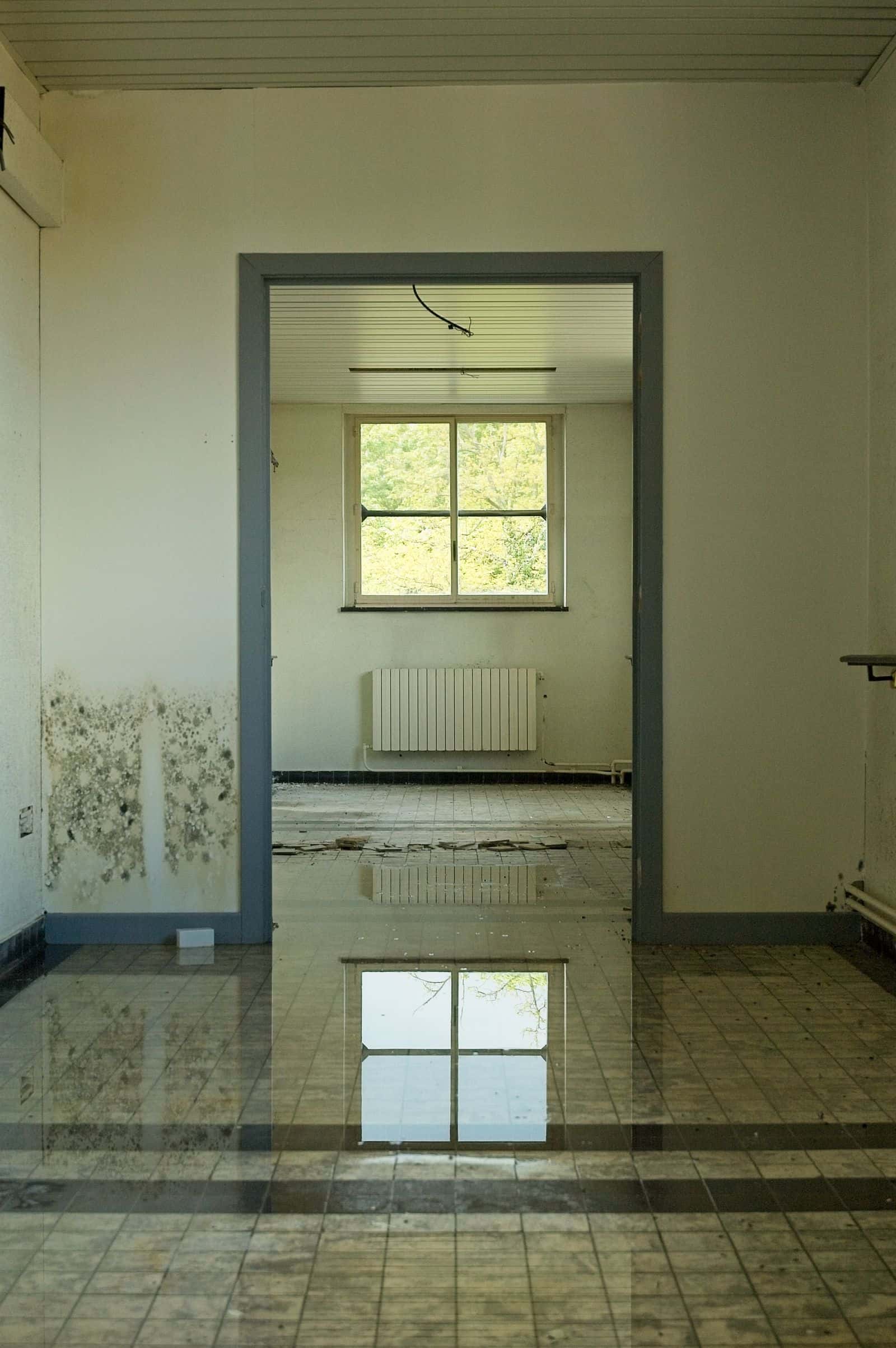
Wet Carpet Drying & Pad Replacement
Carpet soaked by clean water can usually be dried and saved if extraction starts within 24–48 hours, though the pad underneath is often replaced.
Learn more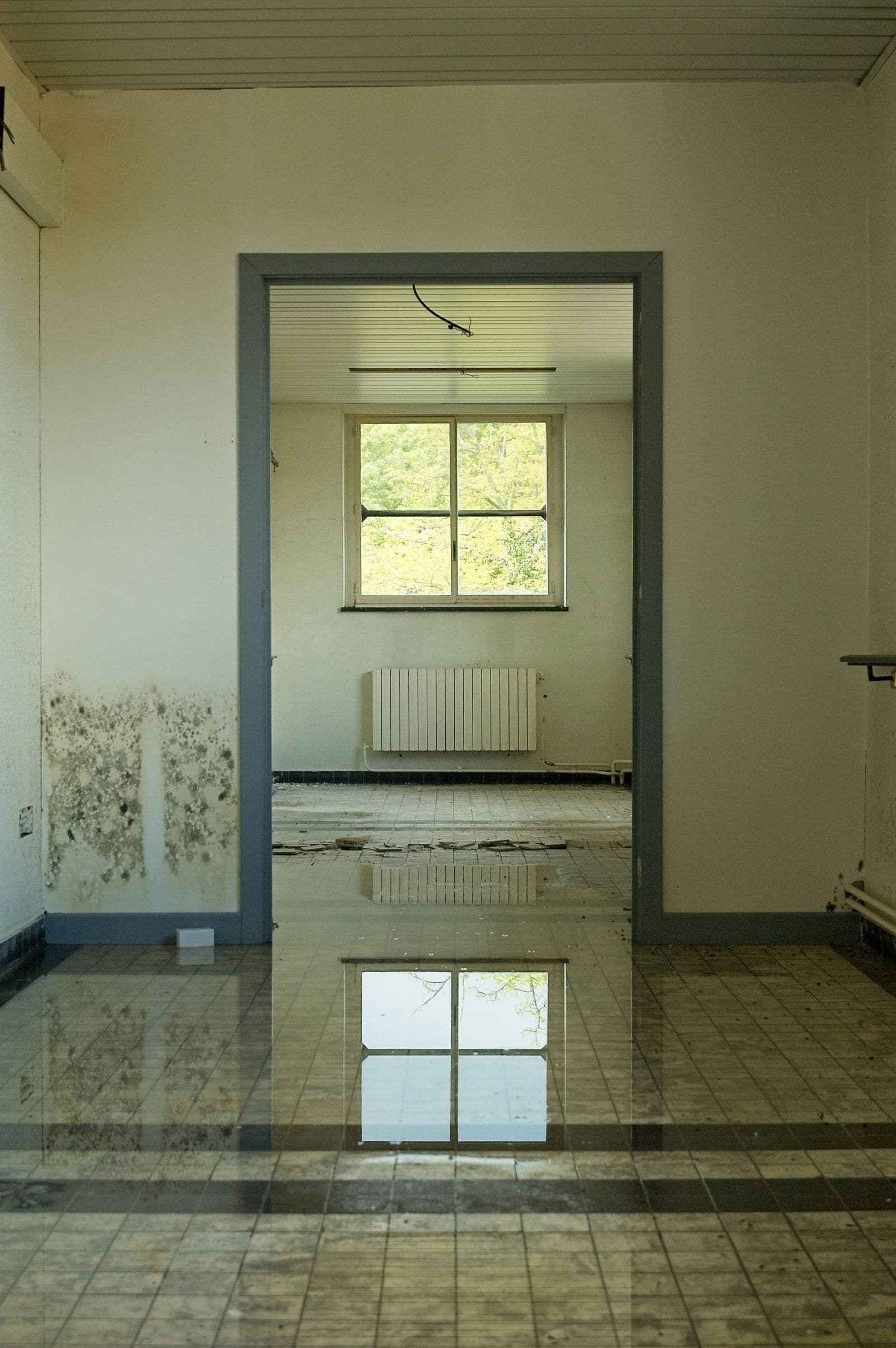
Get help with standing water
Emergency — every hour of standing water soaks deeper into drywall and subfloor.