Mold & moisture
How Fast Does Mold Grow After Water Damage?
Updated · Copperline editorial
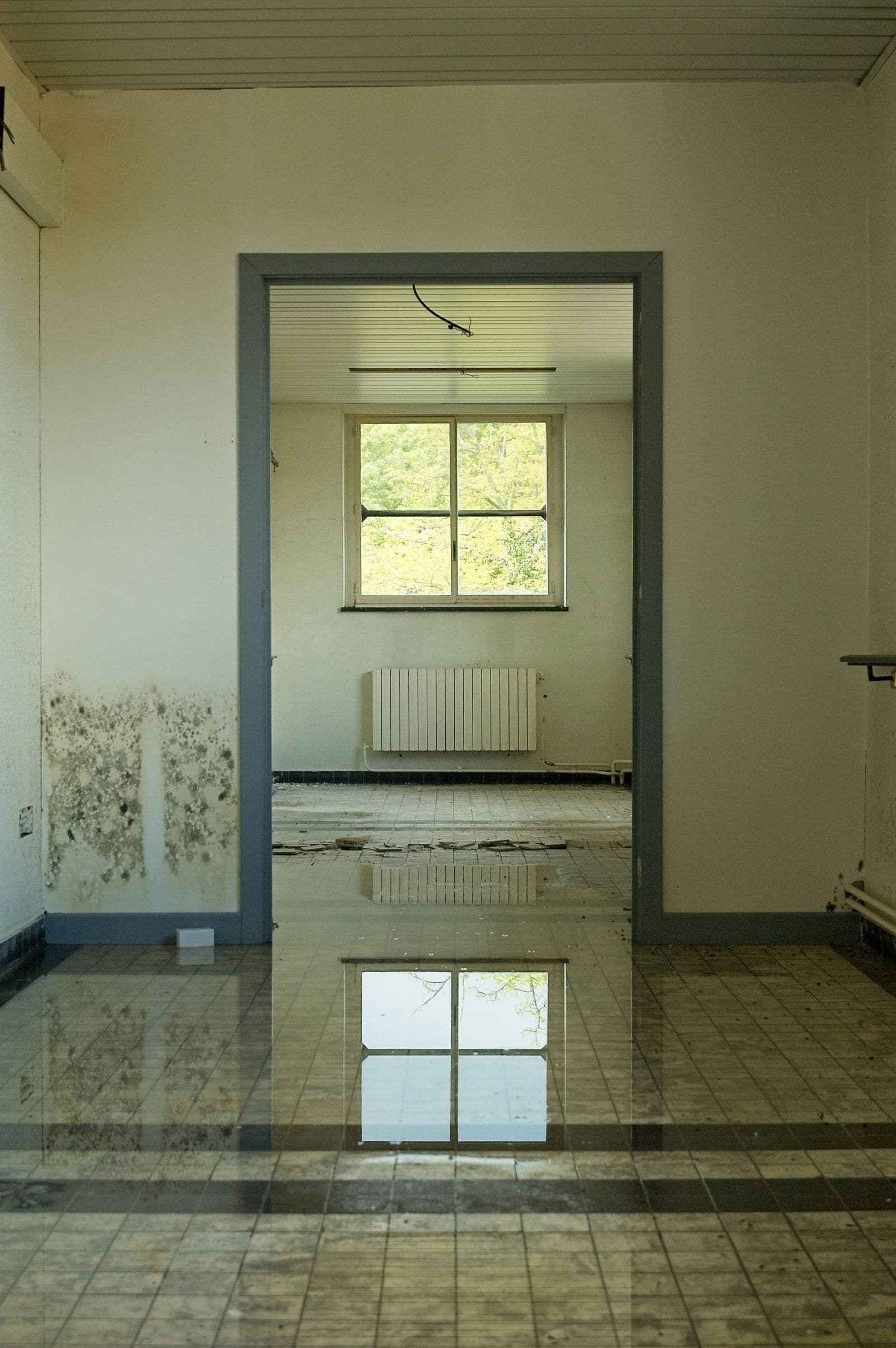
Why the 48-hour window matters
Mold spores are present in every home. What they need to grow is moisture and something organic to feed on — the paper face of drywall, wood framing, carpet backing, dust. Keep materials wet for more than a day or two and growth can start.
Dry climate, hidden moisture
Tucson's low humidity dries surfaces fast, which can be misleading. A wall can look and feel dry while the back of the drywall, the bottom plate of the framing, or the slab under tile stays wet for weeks.
Where mold shows up first
- Behind baseboards and the bottom few inches of drywall
- Under carpet pad and laminate
- Inside sink and vanity cabinets
- Above ceilings where insulation stayed wet
- Around water heaters and HVAC closets
How to prevent it
Remove water quickly, take out materials that trap moisture, and dry with dehumidifiers and air movers until moisture readings reach a dry standard. That's the core of water damage restoration. If you already see or smell mold, have it assessed before the area is closed up.
Why Arizona homes are not immune
Dry outdoor air helps, but inside a closed, air-conditioned house, water trapped in wall cavities, under cabinets and beneath flooring stays wet for days. Evaporative coolers add humidity during the monsoon season, and warm indoor temperatures speed growth. The risk comes from how long materials stay wet, not from the climate outside.
How Fast Does Mold Grow After Water Damage?: follow-up questions
Can I see mold within two days?
Not always. Early growth can be inside walls or under flooring before anything is visible. A musty smell is often the first sign.
Does bleach kill mold on drywall?
Bleach can lighten surface staining but doesn't reach growth inside porous drywall. Wet, moldy drywall is usually removed and replaced.
Every home differs; editorial standards.