Fire & smoke
Smoke Damage Cleanup: What to Expect
Updated · Copperline editorial
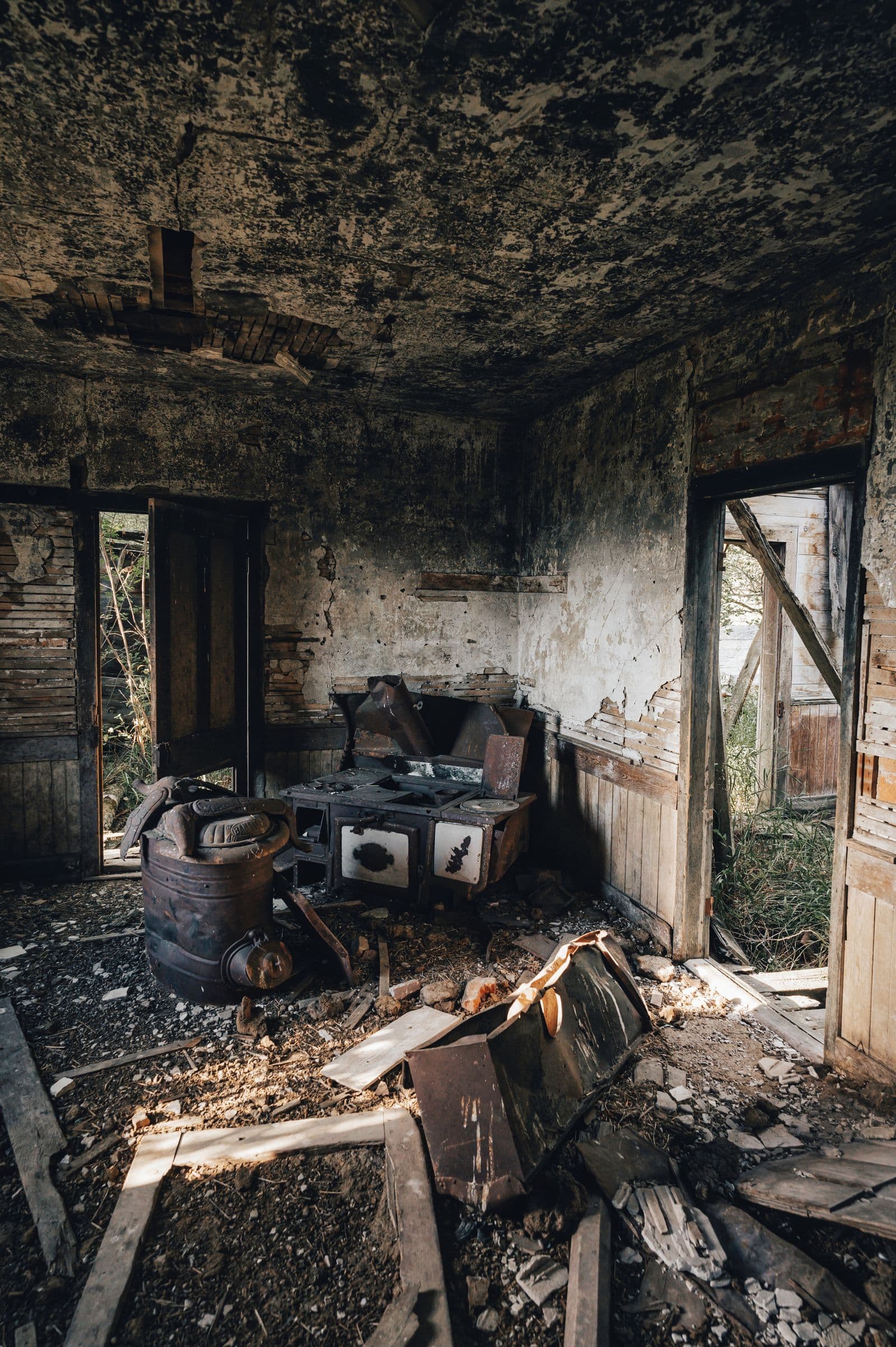
Residue types
- Dry smoke (fast, hot fires): powdery, easier to clean
- Wet smoke (smoldering plastics): sticky, smeary, strong odor
- Protein residue (kitchen fires): nearly invisible film, pungent odor
- Fuel oil soot: rare in homes, heavy and difficult
Clean vs. replace
Hard, non-porous surfaces usually clean well. Porous materials — insulation, some fabrics, unsealed wood — that absorbed heavy smoke are often replaced.
Why odor lingers
Odor comes from residue in places you can't see: ducts, wall cavities, attic insulation. Smoke odor removal targets those after the visible cleanup.
Don't wipe soot yourself
Rubbing soot with household cleaners smears it into paint and grout. Leave cleaning to technicians with dry sponges and the right chemistry.
Why odor removal is its own step
Smoke particles settle into insulation, ductwork and porous surfaces. After cleaning, deodorization such as thermal fogging or hydroxyl treatment addresses remaining odor. HVAC ducts often need cleaning, or odor returns every time the system runs.
Smoke Damage Cleanup: What to Expect: follow-up questions
Can smoke-damaged clothes be saved?
Many can, with professional cleaning. Items heavily charred or melted usually can't.
Is ozone treatment safe?
Ozone must only be used in an unoccupied home by trained technicians, with ventilation afterward.
Every home differs; editorial standards.