Drying & process
Can Mold Grow in a Dry Arizona Home?
Updated · Copperline editorial · 2 min read
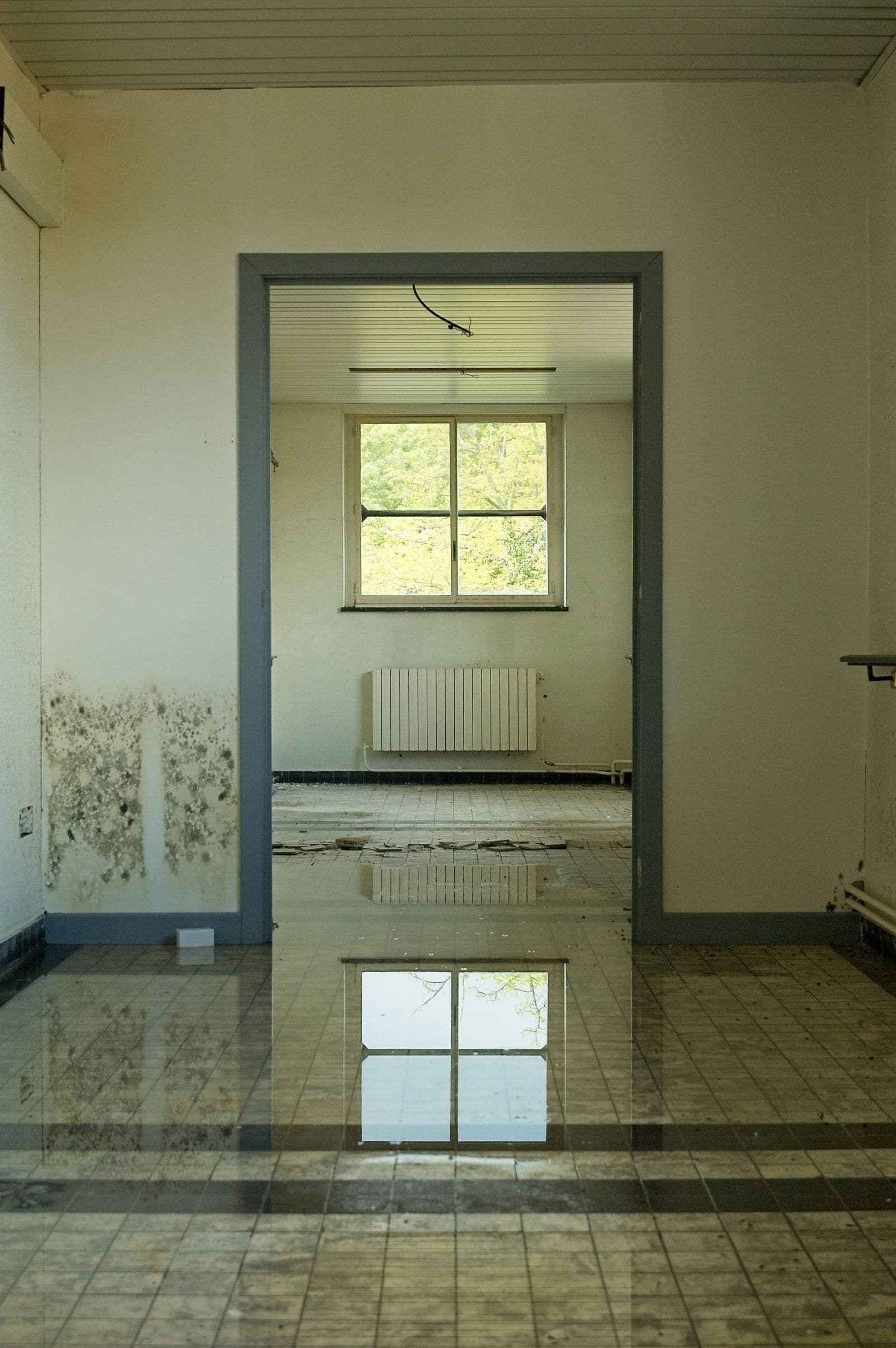
Where mold grows
Places:
- Behind baseboards after slab leaks
- Attics after monsoon roof leaks
- Under sinks
- Around AC air handlers
Why it happens
Water trapped in walls and materials stays wet even when the air is dry.
Prevention
Fix leaks fast, dry materials fully, and check hidden areas.
Why dry air isn't enough
Signs to watch
Look for:
- A musty smell in one room or closet
- Swollen baseboards or peeling paint near floors
- Dark spots on ceilings after monsoon storms
- Water stains under sinks or around the air handler
What to do
Find and stop the water first, then dry the materials with equipment and confirm dryness with moisture readings. Small patches on hard surfaces can be cleaned; larger areas or mold on porous materials should be handled by a restoration company.
Call a professional if
- Water came from a toilet, sewer line or floodwater — treat it as contaminated
- Water got into walls, ceilings or under flooring
- Materials have been wet for more than 24 hours
- You smell mustiness or see spots — mold may already be starting
Can Mold Grow in a Dry Arizona Home?: follow-up questions
How fast can mold grow?
Within one to two days if materials stay wet.
Does monsoon humidity matter?
It can slow drying after storms.
Should I test for mold?
If you smell mustiness or see growth.
Is black mold common in Arizona?
Many molds look dark. Identification matters less than removing the moisture and cleaning or replacing affected materials.
Do I need a mold inspection after a leak?
If the leak was hidden, lasted more than a day or two, or you smell mustiness, an inspection is worth it.
Every home differs; editorial standards.