Prevention
How to Prevent Frozen Pipes in Southern Arizona
Updated · Copperline editorial
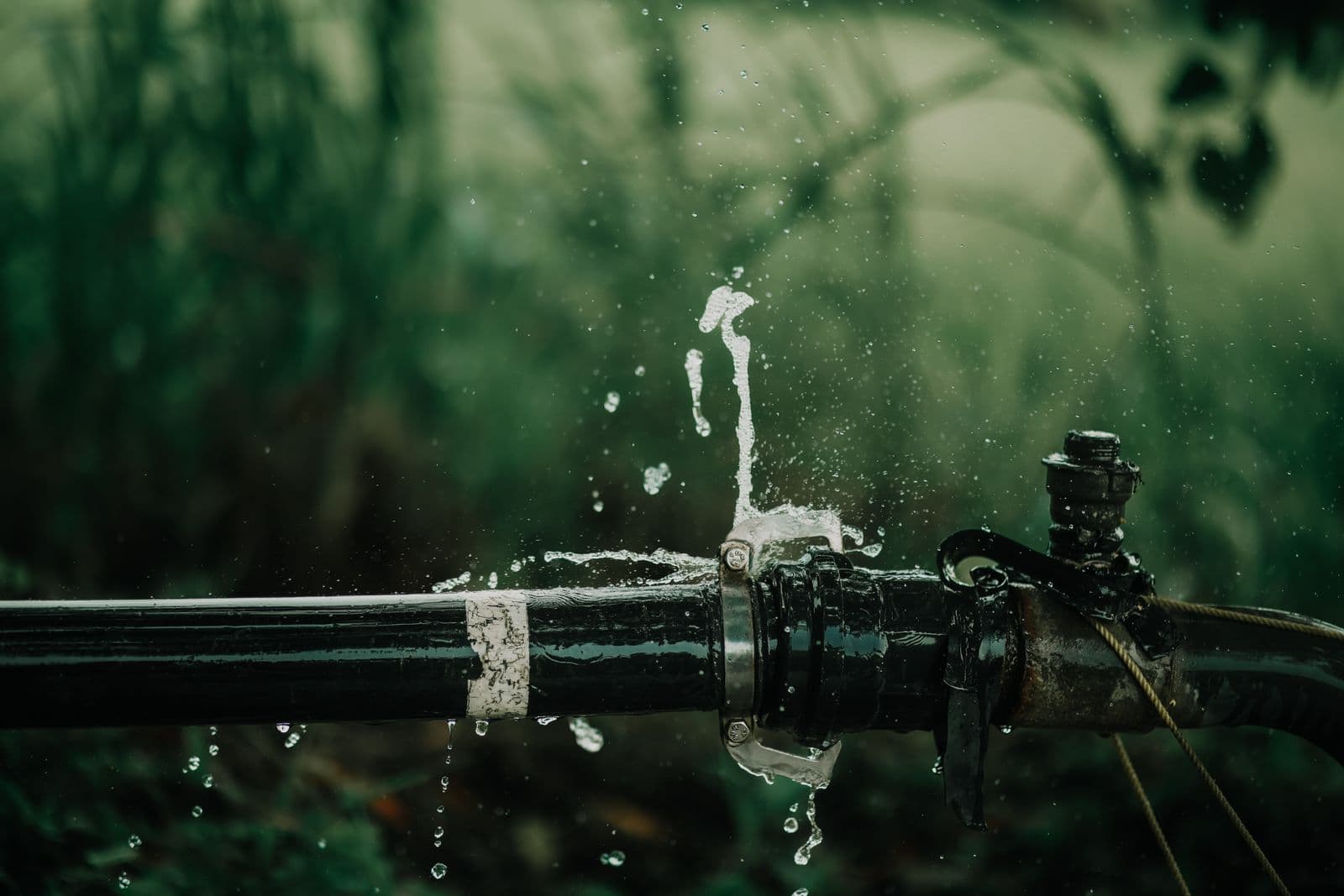
Why Arizona pipes freeze
Desert homes are built for heat. Pipes often run through exterior walls, attics, garages and exposed risers with little insulation, so a rare hard freeze catches them unprotected.
At-risk pipes
- Hose bibs and backflow preventers
- Pool and irrigation lines
- Pipes in exterior walls and unheated garages
- Well houses and pressure tanks
- Supply lines to rooftop swamp coolers
If a pipe freezes or bursts
Warm a frozen pipe gently — never with an open flame. If it bursts, shut the main valve first. See what to do after a burst pipe.
If a pipe freezes and splits
Shut off the main water valve before the ice thaws, because that's when the split starts leaking. Call a plumber for the repair and a restoration company if water reached drywall or flooring.
Where pipes are most exposed in southern Arizona
Homes here aren't built for cold, so supply lines often run along exterior walls, through unheated garages and to exposed hose bibs and irrigation backflow assemblies. Higher-elevation areas like Oracle and the Catalina foothills see more hard freezes than the valley floor.
How to Prevent Frozen Pipes in Southern Arizona: follow-up questions
Do pipes freeze in Tucson?
Occasionally. Exposed outdoor lines, irrigation backflow assemblies and pipes in exterior walls can freeze during hard freezes.
Should I cover outdoor backflow preventers?
Yes. Insulated covers protect exposed backflow assemblies and hose bibs during freezes.
What temperature should I worry about in Tucson?
When overnight lows are forecast in the mid-20s °F or colder for several hours, protect exposed pipes and backflow preventers.
Should I shut off irrigation in winter?
Draining or insulating the backflow preventer before a hard freeze prevents the most common freeze break.
Every home differs; editorial standards.