Insurance
What to Document for a Water Damage Insurance Claim
Updated · Copperline editorial
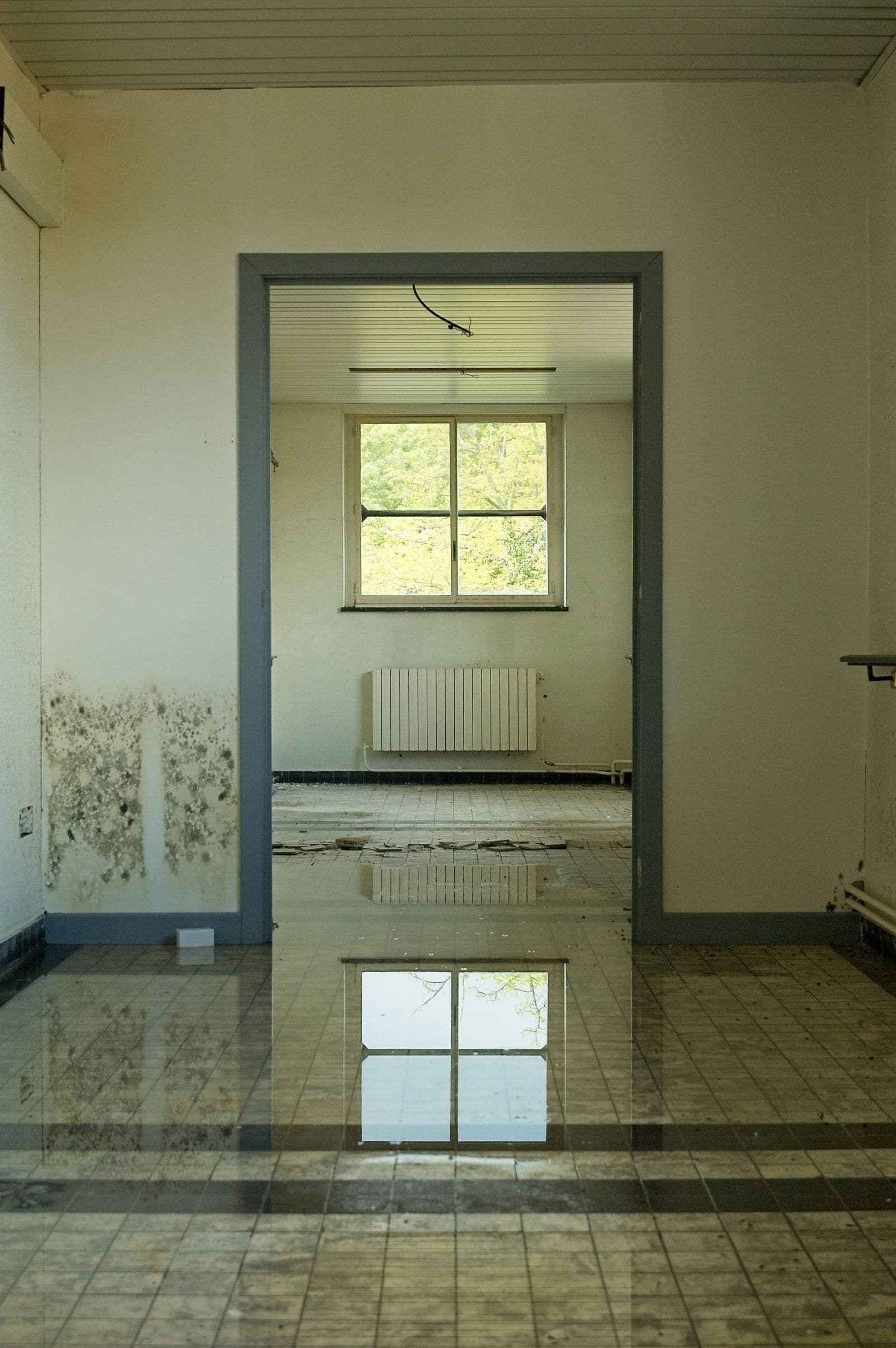
Before anything is moved
- Wide photos of each room, then close-ups
- Video walking through the affected areas
- The source: the failed pipe, fitting, appliance or roof area
- Water lines on walls and cabinets
Keep it until the adjuster says otherwise
If possible, keep damaged items or cut samples of flooring and carpet. If items must be discarded for health reasons, photograph them with labels or a list first.
Records to save
- Plumber's invoice describing what failed
- Receipts for emergency supplies and temporary lodging
- The restoration company's moisture logs and drying records
- A written scope and estimate for repairs
Mitigation is expected
Most policies expect you to take reasonable steps to prevent further damage — stopping the water and starting drying promptly. Waiting can reduce what's covered.
Records to keep during drying
Ask the restoration company for its daily moisture readings, equipment logs and photos. Those records show the insurer what was wet, how it was dried and when it reached dry standard, which supports the bill and any later questions about mold.
What to Document for a Water Damage Insurance Claim: follow-up questions
Should I throw away damaged items before the adjuster comes?
Photograph everything first and keep samples of materials like carpet or flooring if you can. Remove items that are a health hazard, such as those soaked by sewage, after documenting them.
Do I need receipts for damaged belongings?
Receipts help but aren't always required. Photos, bank or card records, and model numbers support the claim.
Every home differs; editorial standards.