Drying & process
Water Mitigation vs. Water Restoration: What's the Difference?
Updated · Copperline editorial
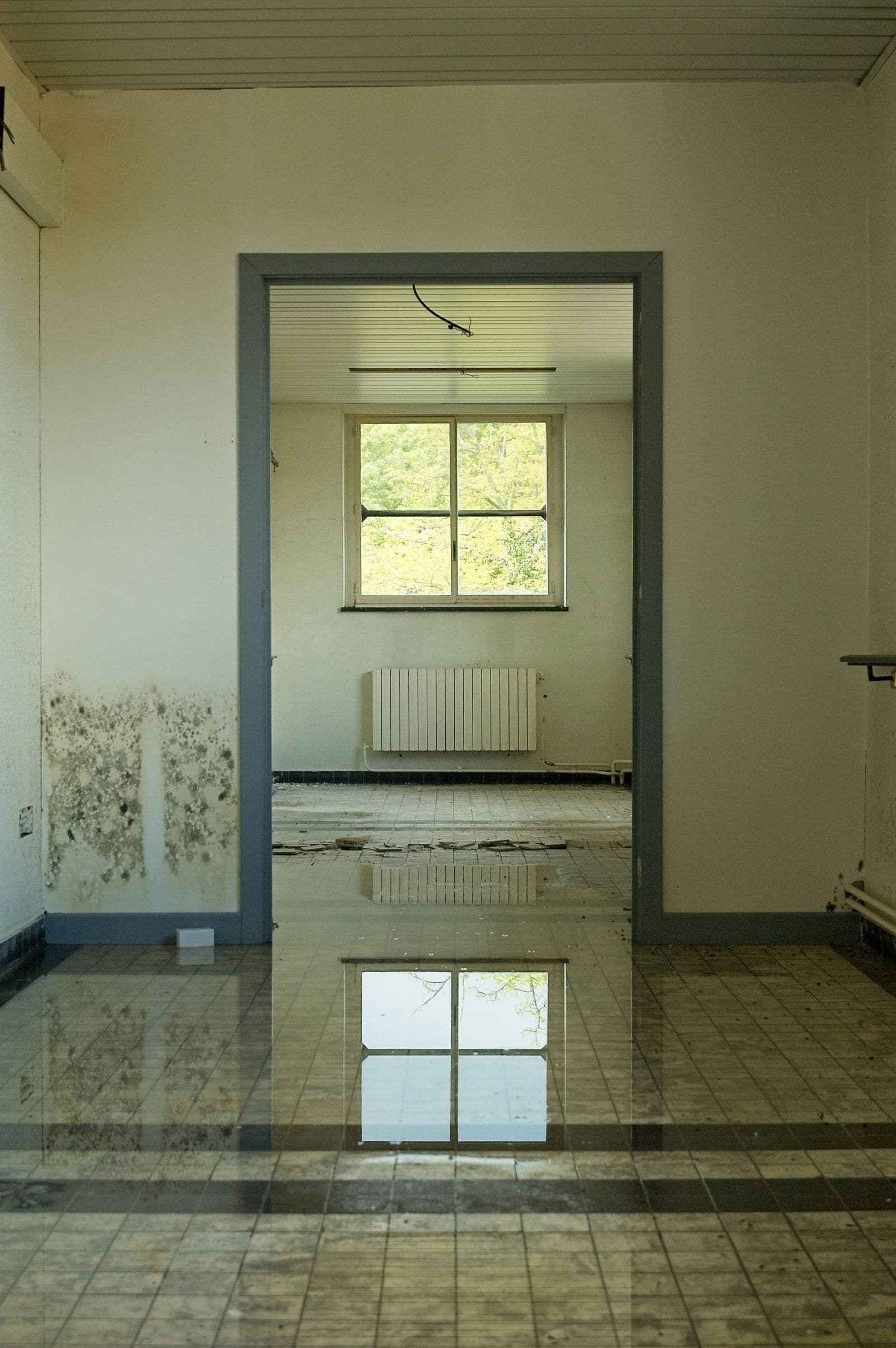
Mitigation: stop the damage from growing
Mitigation starts within hours: emergency water extraction, removing soaked carpet pad or drywall, and setting drying equipment. Its goal is to prevent secondary damage like mold, swelling and delamination.
Restoration: put the house back
Once moisture readings confirm the structure is dry, repairs and rebuild replace what was removed and match finishes to the rest of the home.
Why the distinction matters for claims
Policies expect you to mitigate promptly. Mitigation invoices are usually paid on documentation of what was done — equipment days, moisture logs, photos. The rebuild is typically estimated separately after the adjuster reviews the dry-out.
Can one company do both?
Some restoration companies handle both phases; others mitigate and refer rebuild to a contractor. Either is common. Ask at the start so you know who's responsible for each step.
Who does each part
Mitigation (extraction, removal of wet materials, drying) is often done by a restoration company within the first days. Restoration or rebuild (drywall, paint, flooring, cabinets) may be done by the same company or a general contractor. In Arizona, repair work generally requires a contractor licensed by the Registrar of Contractors.
Water Mitigation vs. Water Restoration: What's the Difference?: follow-up questions
Is mitigation covered separately by insurance?
Mitigation and repairs are often billed separately under the same claim. Ask your adjuster how your policy handles each.
Can I hire a different company for rebuild?
Yes. You can choose who does repairs, as long as the scope matches what the insurer approved.
Every home differs; editorial standards.